Sudan’s Growing Drone Campaign Deepens Civilian Suffering
In the Imtidad Nasser district east of Khartoum, residents now live under a sky haunted by unmanned aircraft. “We heard the buzz of drones in the sky, but did not pay attention to it at first,” said Ahmed Abdel Hamid, a local, describing a recent strike by the Rapid Support Forces (RSF). Anti‑aircraft fire followed by two massive explosions ripped through the neighbourhood, killing three children from a single family.
A wave of drone attacks across Sudan has claimed more than 160 lives in recent days, marking a deadly shift in the war that began in April 2023 between the Sudanese Armed Forces (SAF) and the RSF. The increasing use of unmanned aerial vehicles by both sides has pushed the conflict into residential districts as each side seeks to wear down the other.
The drone campaign is a relatively new development in a civil war that has already killed at least 59,000 people, according to the conflict monitor ACLED. Fourteen million Sudanese have been forced from their homes, and 4.5 million have fled the country. The SAF and the RSF have previously fought over territory mainly through ground assaults, often at great civilian cost. Last year, the massacre in el‑Fasher in western Sudan, described by Amnesty International as “ethnic cleansing,” drew global attention after RSF fighters killed tens of thousands of residents following an 18‑month siege.
Now both sides rely more heavily on drones for long‑range, pre‑emptive strikes. For the SAF, drones provide a way to navigate Sudan’s difficult terrain and to blunt RSF advantages. Military analyst Abu Bakr Abdel Rahim said the army’s main aim in increasing drone use in Darfur and Kordofan is to hit “command and control centres, fuel and ammunition depots, and main supply routes, especially those linked to the borders with Libya, Chad and South Sudan.” He noted that the vast desert distances separating Darfur from the army’s current bases in Kordofan make ground advances extremely complex without extensive engineering, aerial, and logistical support.
According to Abdel Rahim, the strikes are intended to diminish the RSF’s capacity to assemble forces, launch counter‑attacks, or retake lost strategic areas. Hitting cities such as Nyala, he added, is meant to “strike their morale, make them feel insecure even in their rear control areas, and disrupt any efforts to establish parallel administrative entities.”
Military officials have outlined specific tactical goals behind the escalation. Mohamed Didan, spokesperson for the SAF’s Special Action Forces in Kordofan, posted on Facebook that the army carried out “75 air strikes targeting fixed and moving targets, along with infantry forces, vehicles, commanders and individuals from the Rapid Support Forces” across Kordofan, West Darfur and South Darfur. Didan linked the RSF’s recent drone attacks on Khartoum to recent battlefield losses, saying the escalation follows “the killing of about 80 mobilised personnel for the forces in strikes that targeted them in the Al‑Dabbab area in West Kordofan.” He also accused the RSF of deliberately striking civilian infrastructure, citing attacks on Khartoum airport, fuel stations in Damazin and an electrical transformer station in Tendelti city in North Kordofan, which caused blackouts across the region.
The RSF responded on Monday, accusing the army of using drones to carry out “massacres in the livestock market in Nyala and al‑Na’am market in Abyei, and at a truck station in the al‑Dabbab area in West Kordofan.” A Sudanese government official, who asked to remain anonymous, told Al Jazeera that the military’s drone use is strictly tactical. “The army does not target civilians, but it considers all military and logistical sites and supply lines of the Rapid Support Forces as legitimate targets,” the official said.
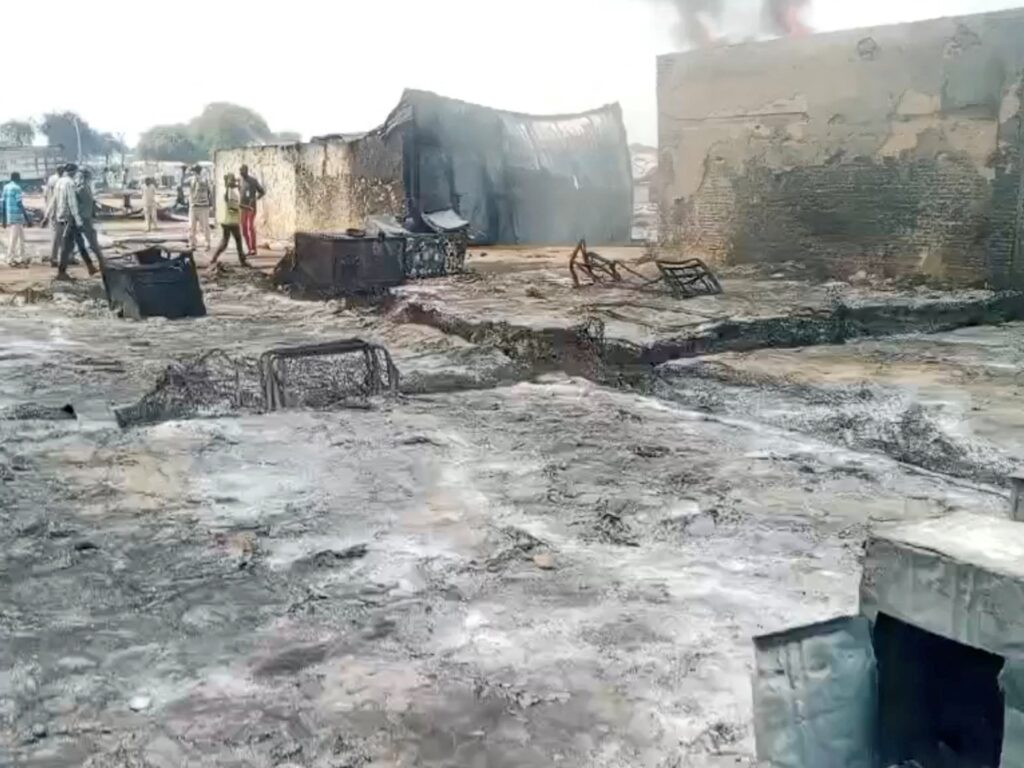
Civilians are bearing the brunt of the new warfare. The deadliest recent strike hit a market in al‑Dabba town in West Kordofan, where a drone hit a transport hub and killed 80 people. Earlier on Monday, an army drone attack on the RSF stronghold of Nyala left 17 dead, while a paramilitary strike on a gathering of displaced persons in the Blue Nile province killed 41. The United Nations has condemned the attacks. “We are alarmed by the continued deadly drone strikes across the country that are killing civilians, including children, and that are disrupting central services,” UN Secretary‑General spokesperson Stephane Dujarric told reporters.
An investigative report by the Centre for Information Resilience found that 21 different drone models have been employed since the war began. The relentless drone campaign is deepening the humanitarian crisis, leaving Sudan’s civilian population increasingly vulnerable.