Should Companies Hire a Head of Nature?
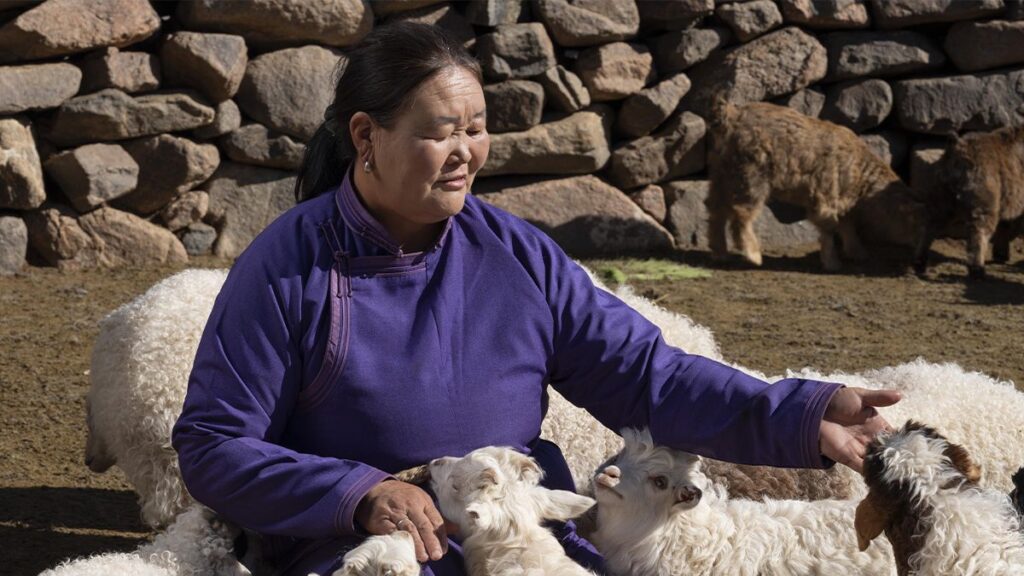
Save StorySave this storySave StorySave this storyThis story is part of ‘The Business Case for Nature’, a series exploring fashion’s impact on nature and vice versa. Read more here. Not that long ago, the idea of launching a company dedicated to nature strategy might have seemed “crazy”. Then the pandemic hit, prompting people to slow down and reconnect with nature. The idea suddenly didn’t seem so out‑there. This is the story of Biodiversify, co‑founded by Dr. Samuel Sinclair and Dr. Michael Burgass in 2019, with support from French luxury group Kering. What followed Covid could be described as a “nature boom”, says Sinclair. A wave of service providers, consultants and tech startups appeared, looking to cash in on the previously overlooked impact of business on nature, and vice versa. Sustainability regulations were gaining pace in the EU; the Taskforce on Nature‑Related Financial Disclosures (TNFD) launched in 2021 to help companies map their nature risks and dependencies; and the Science‑based Targets Initiative introduced its nature‑specific framework in 2023 (SBTN). In a bid to keep up with the emerging nature movement, leading companies started hiring nature leads. Fashion’s nature risks and dependencies are wide‑reaching, from cotton harvests ravaged by drought and leather supply chains riddled with deforestation, to manufacturing hubs struggling with water scarcity and retail networks affected by flooding. But quantifying something as sprawling and systemic as nature is no small feat, which is why science‑based frameworks are so critical. Progress, however, is never linear. A global shift to the political right and a renewed emphasis on European competitiveness in 2024 saw major sustainability regulations reduced in scope or watered down. A slew of nature‑related consultancies shuttered or trimmed their headcount, and several key fashion groups followed suit, downsizing their sustainability teams and targets. “There was a huge pullback in compliance consulting, where the extent of the work is about creating a TNFD report and putting it on your website,” explains Sinclair. “But companies that genuinely want to do something about nature because they think it’s a serious issue beyond compliance — that market has steadily risen.” Nature is rising up the corporate agenda once again. At New York Climate Week in September, and the Textile Exchange conference this month, nature was a major topic. There are a few reasons for nature coming into focus, says Hannah Phang, co‑founder and chief marketing officer of sustainability consultancy The Now Work. For many companies, the climate function – which focuses primarily on decarbonization – has matured into a “well‑oiled machine” with clear paths to progress and measurable success metrics, allowing sustainability teams to turn their attention to other topics, such as water, biodiversity and social impact. At the same time, climate is becoming increasingly politicized as others roll back public commitments, either fearing political backlash or believing that they no longer fall in the scope of key regulations. Nature, however, is seen as a non‑partisan issue. After a summer of seemingly endless heatwaves, droughts and wildfires, it is more visible than ever. Vogue Business asked the early‑movers operating in the business of nature to share best practices and key considerations for setting up a winning nature team. Nature leads are often brought in for smaller remits, only to find that once they start mapping the brand’s nature risks, their work becomes central to the long‑term business resilience strategy. Photo: Kering
Setting the nature lead up for success
Setting up any new team comes with its challenges. You have to work out the best infrastructure, reporting lines and incentives to set them up for success. Executive buy‑in is crucial, says Tony Goldner, CEO of the Taskforce on Nature‑Related Financial Disclosures (TNFD). “One of the most critical success factors is having a senior level sponsor to support this work internally,” he explains. “That can be the chief sustainability officer, the CFO or the CEO, but they need to be empowered from the top level, and they need budget for consultants, data and initiatives.” For nature teams, there are two key considerations, adds Phang: accountability and communication. “Is it just the sustainability team that’s accountable for achieving nature targets, or is it embedded into other teams’ KPIs as well?” she asks. “And can you set up your nature lead with a point person in finance, to help them calculate and communicate the financial implications of the nature strategy in a way that different stakeholders across the business can understand?” This impact on numbers can also help nature leads make the business case for their strategies, which ensures their survival when budgets are squeezed. At Kering, the nature team sits under the sustainable programs umbrella, alongside circularity and its Material Innovation Lab (MIL). But it also works very closely with sustainable performance – which covers stewardship, working directly with garment manufacturers (Tier 1) and material producers (Tier 2) – as well as sustainable finance, which looks at risk reduction. “The nature team doesn’t need to be big, because we have diversified teams that can take a paradisciplinary approach to figure out very complex challenges,” says Rachel Kolbe Semhoun, head of sustainable sourcing and nature initiatives at Kering. One disputed factor is whether or not the word ‘nature’ actually appears in the nature lead’s job title. Before joining Kering in 2024, Kolbe Semhoun spent a decade as the chief sustainability officer of a large agricultural company, building the team from scratch, and finding new metrics of success that accounted for positive nature impacts and regeneration. When she joined Kering, she says it was the prospect of having nature in her title, and therefore being able to focus solely on its conservation and regeneration.