
EU Updates Arctic Strategy Amid Growing Russian and US Pressures
The European Commission has presented a refreshed Arctic strategy for the European Union, placing security and resilience at the forefront of four key priorities that also include climate action, economic growth and opportunities for Arctic communities. The plan proposes the creation of a maritime security hub to enable member states and partners to exchange information and monitor activity across Arctic waters. Over time the hub will broaden its scope to track shadow‑fleet vessels, spot illegal fishing and pollution, and enhance coordination of search and rescue missions.
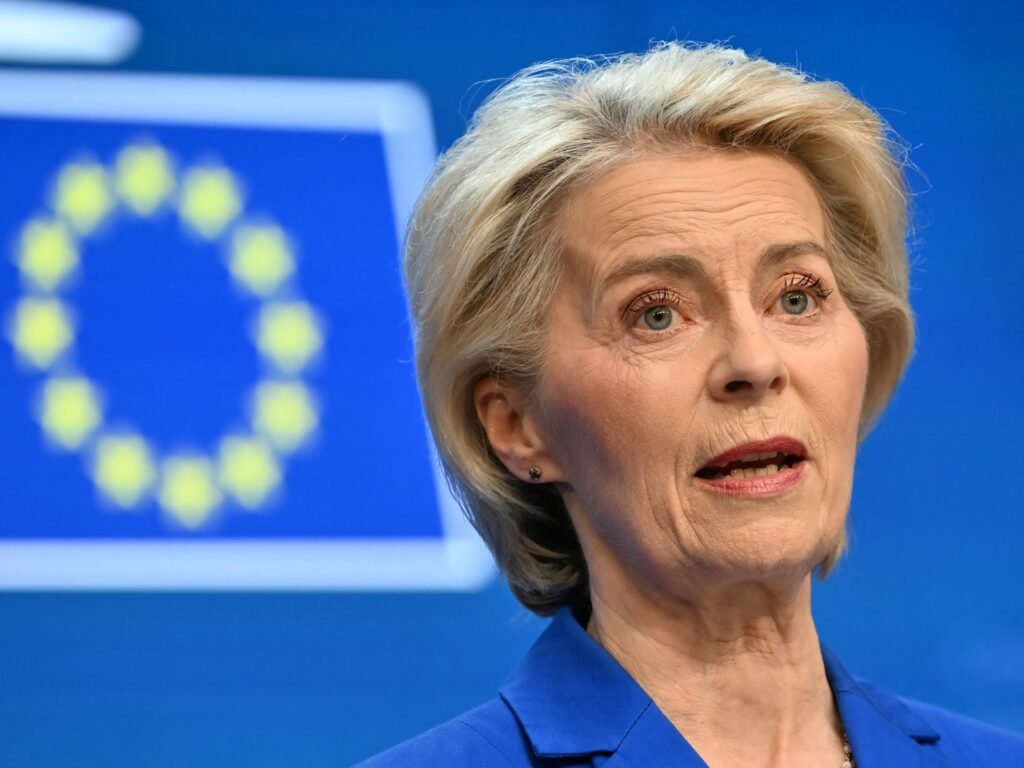
In parallel, the Commission announced intentions to increase the EU’s fleet of icebreakers, vessels designed to clear sea ice and keep shipping lanes safe. “The Arctic is one place where the tectonic plates of geopolitics are colliding,” European Commission President Ursula von der Leyen said, adding that sovereignty and territorial integrity can no longer be assumed.
EU foreign policy chief Kaja Kallas warned that Russia is expanding its military presence in the high north, citing incidents such as drone incursions, GPS jamming and sabotage of under‑sea cables. Several elements of the new strategy aim to reduce the bloc’s reliance on the United States. The Commission will back a strategic pan‑Arctic fiber‑optic cable linking Greenland directly to Europe, a project that is part of a wider network intended to connect Canada, Japan and South Korea. It will also offer secure satellite communications for government use through the IRIS² constellation, a system positioned as an alternative to Elon Musk’s Starlink service.
The move comes after former U.S. President Donald Trump repeatedly pressed for control of Greenland, a Danish autonomous territory. Although his tone has softened this year following a security agreement with Greenland and Denmark, many European officials remain cautious.
The updated strategy follows a meeting last month of leaders from twelve nations, including Germany, France, Finland and Denmark. In a joint statement, the participants urged the EU to adopt a more strategic and proactive role in the region, naming Russia as the greatest threat while also noting the ambitions of China and the United States. German Chancellor Friedrich Merz declared that the era of “high north, low attention” was over, and Finnish Prime Minister Petteri Orpo described Russia as the most significant long‑term challenge, calling for the Arctic to be treated as a strategic frontier.
The Commission reaffirmed the EU’s stance that oil, coal and gas should remain in the ground, even in the Arctic. To address mounting climate concerns, it pledged to strengthen climate research, observation and monitoring, working closely with the people who live and work in the Arctic to support effective responses.