
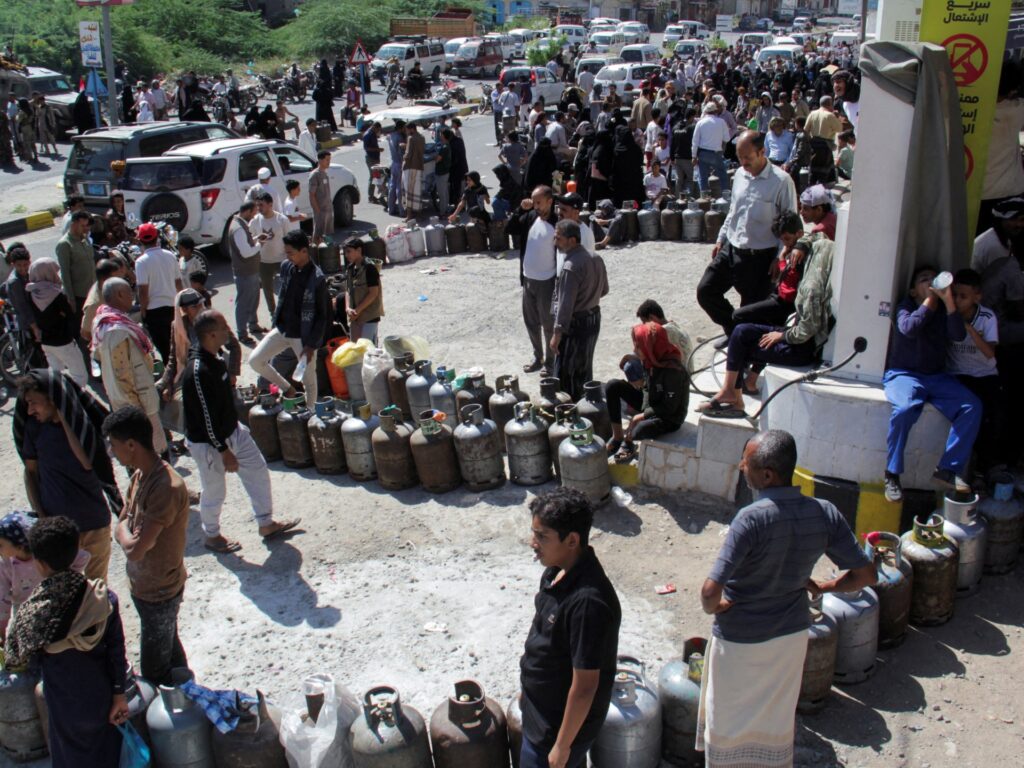
UNHCR reports over 250,000 Yemenis displaced since July fighting surge
More than a quarter‑million people have been forced to move within Yemen since the conflict flared again in July, the United Nations Refugee Agency said on Tuesday. The surge in internal displacement is linked to renewed clashes between Houthi rebels and forces loyal to the internationally recognised government across multiple fronts.
Taiz, a city in the southwest, is at the heart of the crisis. It accounts for 76 percent of all departures and shelters 52 percent of those newly displaced, according to UNHCR. Lahij hosts 23 percent of the newly displaced population, while Aden accounts for 13 percent.
The agency warned that shelling in Taiz has intensified, hitting residential neighborhoods and areas near health facilities. Ongoing insecurity and restrictions on key routes continue to hamper humanitarian access and limit movement.
Since early October, the Houthis – also known as Ansar Allah – have surrounded Taiz, cutting off the road that links the city to Aden, the interim capital of the Saudi‑backed government. “The most immediate needs we have identified are shelter, food and multi‑purpose cash assistance,” UNHCR spokesperson Matthew Saltmarsh told a press conference in Geneva. About 33,700 families still require shelter aid, the agency added, noting that the humanitarian response remains severely underfunded.
UNICEF issued a separate alert, saying that the escalating fighting and fuel shortages in Taiz are jeopardising water services that serve roughly three million people, including 1.6 million children. “Already one of Yemen’s most water‑scarce areas, Taiz is now facing renewed pressure on its essential services for thousands of displaced families,” said Akhil Iyer, UNICEF’s Yemen representative, at a briefing in Geneva.
The death toll from a Houthi ballistic missile strike on a military training camp in Shabwa governorate rose to at least 58, local authorities reported. The Yemeni government described the site as a security training centre away from the front lines, while Houthi forces said they targeted Saudi‑backed troops. Hospitals in Ataq reported blood shortages as medical teams treated casualties and families searched for missing relatives. The strike was followed by retaliatory government attacks near Taiz, heightening concerns about the worsening humanitarian situation.
Al Jazeera’s correspondent Yousef Mawry, reporting from Sanaa, said the Houthis are not backing down and that their military spokesman announced continued missile attacks deep inside Saudi Arabia. “As cross‑border attacks grow, Yemenis fear the war is coming closer to home, especially as both sides threaten to intensify their assaults while Saudi Arabia steps up its air campaign,” he added.
Saudi‑backed coalition spokesperson Turki al‑Maliki said his forces have destroyed 127 Houthi weapons depots and missile launch platforms. Meanwhile, the United Kingdom announced it will deploy Royal Air Force Typhoon jets on defensive missions to protect Saudi Arabia from increasing Houthi attacks. The British Ministry of Defence stressed the aircraft will operate in a defensive role and will not conduct strikes against the Houthis.
Tensions have risen sharply since July, when the Houthis announced a blockade of Saudi ports. Fighting escalated last month after they seized strategic territory along the Red Sea coast from government‑aligned forces. In response, the Saudi‑backed government launched Operation Dawn of Yemen, a counteroffensive aimed at recapturing Houthi‑held areas, including the capital Sanaa, which the rebels took in 2014.