
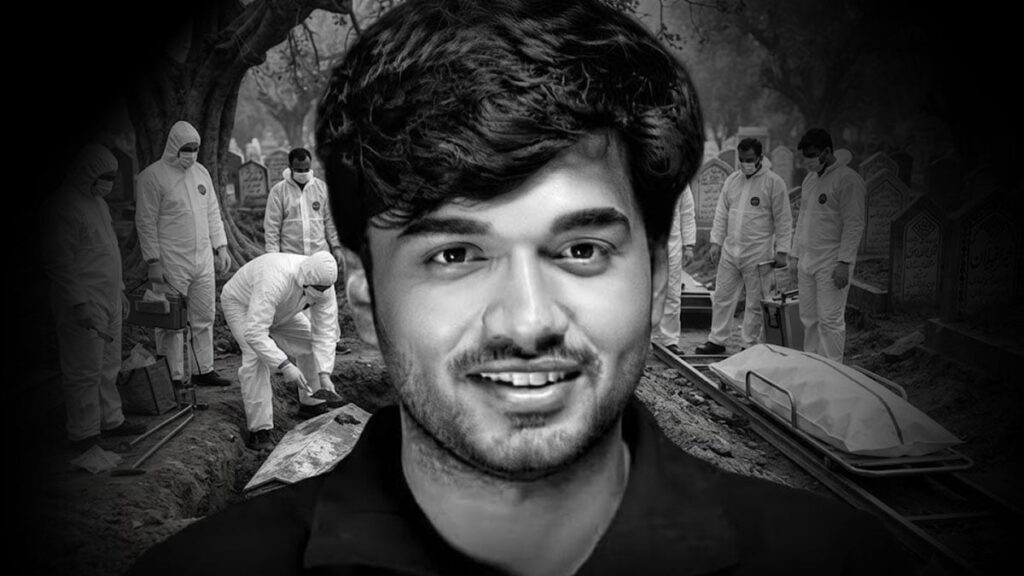
Commission calls for joint investigation team with ISI, Rangers and NCCIA in Mir Raza case
KARACHI — A judicial commission probing the death of Mir Raza Ali has raised serious doubts about the police’s handling of the case, the treatment of medical and digital evidence, and the early conclusion that the death was a suicide. In a 70‑page report signed by Justice Umar Sial, the commission urged the Sindh government to set up a joint investigation team (JIT) that includes representatives from the Inter‑Services Intelligence, the Rangers and the National Cyber Crime Investigation Agency.
The commission, which submitted its findings to the Sindh chief minister on Oct 15, met 20 times between Aug 27 and Oct 7 and recorded statements from 50 witnesses. It noted that police initially labeled the death a suicide based on a preliminary post‑mortem. The family disputed that view, pointing to marks of violence on the body and other evidence. A police surgeon later identified flaws in the first post‑mortem and recommended a repeat examination. When the body was re‑examined on Aug 8, the final report identified a bullet wound entering from the back as the cause of death.
According to the commission, it was inappropriate to maintain a suicide verdict while ignoring contradictions in the medical findings. It faulted the police for clinging to the original position despite conflicting evidence and for failing to meet basic investigative standards.
The report recommends that a JIT be formed to review every aspect of Mir Raza’s death. In addition to ISI, Rangers and NCCIA officials, the team should look into possible blackmail or a revenge killing. The commission said the material gathered so far does not allow a definitive conclusion about an organised cover‑up or criminal liability. It also called for further scrutiny of suspicious vehicles and individuals seen at a guest house, and raised questions about the leadership of DIG Amir Farooqi and DIG Farukh Ali Lanjar.
Digital evidence handling drew sharp criticism. Police did not place crucial CCTV footage in legal custody according to proper procedure; instead, they recorded what was shown on monitors using mobile phones. The original digital video recorders were not secured as required by law. Gaps were found in the record of evidence transfers, and some actions were omitted from the daily police diary. Statements about obtaining and preserving the footage contained contradictions. The commission also questioned how the phone, its digital data, and an Apple Watch were seized, noting that attempts to bypass passcodes rendered the data inaccessible and hampered the investigation. It further asked why private messages and financial details were leaked to the media, damaging the family’s reputation.
Police had suggested that Mir Raza’s alleged financial difficulties might have driven him to suicide, citing statements from creditors and business partners about unpaid liabilities. The commission stressed that financial pressure alone does not prove a person would take his own life, and the evidence does not support treating it as the definitive cause. It called for an independent probe into the deceased’s behaviour and circumstances, despite reports of monetary strain. A message to Sarem bin Tahir referencing Rs 30 million was highlighted, and the possibility of blackmail was left for further investigation.
The commission also condemned the conduct of medico‑legal officer Dr Osama Sheikh, describing it as extremely immature, childish and unprofessional. It recommended that Dr Sheikh be barred from medico‑legal duties for at least two years and undergo comprehensive academic and practical training before returning to such responsibilities. The report suggested his behaviour gave the impression he was acting under external influence. While Dr Sheikh’s initial post‑mortem was later challenged, the final examination confirmed a bullet wound from the back as the cause of death.
In contrast, head clerk Zeeshan was praised as the only police official whose actions brought credit to the Sindh Police in this case, and the commission recommended he receive recognition and further training.
The commission also questioned a sudden alteration to the medical board that examined Mir Raza’s body. An eight‑member board led by Karachi Police Surgeon Dr Summaiya Syed was reduced on Aug 7 by the health department to five members, adding doctors from Hyderabad and Jamshoro. The family rejected the revised composition, arguing that the change delayed the investigative process.