
Morocco’s not-so-new government faces fresh challenges
By Hassan Aourid, political scientist
Published 20 October 2026
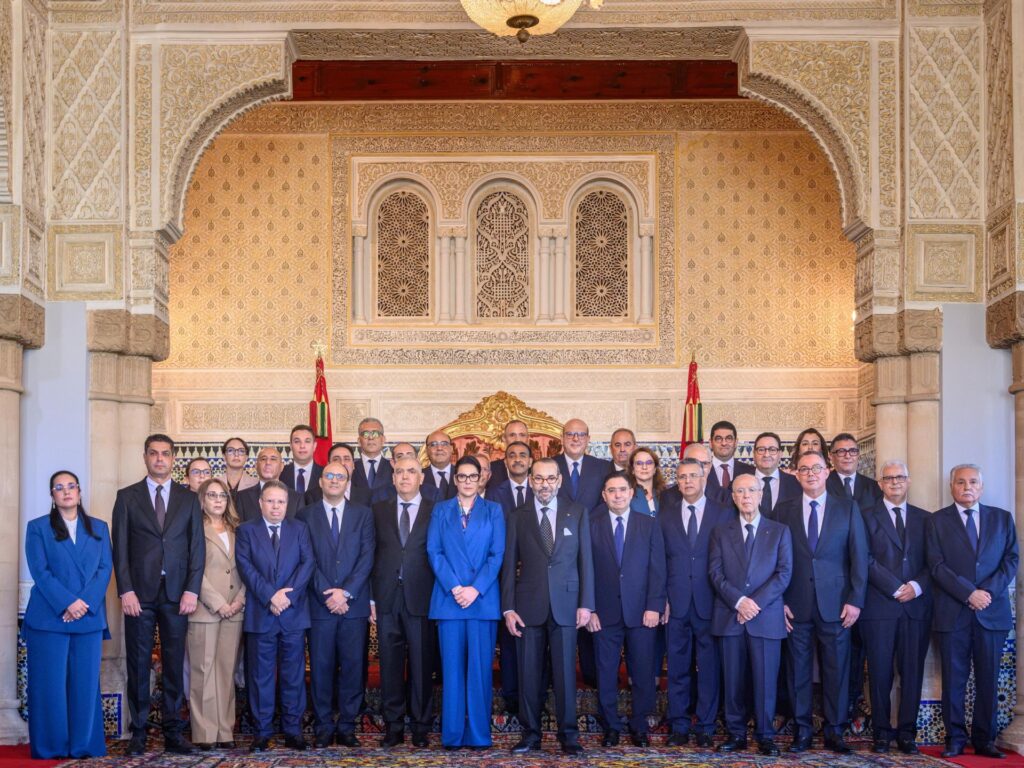
On 16 October, King Mohammed VI appointed a new cabinet led by Prime Minister Fatima Zohra Al Mansouri, marking the first time a woman has headed a Moroccan government. International headlines highlighted the historic nature of her appointment, but within Morocco the more consequential detail is her affiliation with the Authenticity and Modernity Party (PAM), which emerged as the largest party in the September parliamentary elections. Founded by Ali Himma, a close adviser to the king, PAM formed a coalition with three other parties and now dominates the new administration, suggesting continuity rather than a break with the past.
Understanding the direction of the new cabinet requires a look at PAM’s development. The party was created in 2008 to counter the rise of political Islam, especially the Justice and Development Party (JDP). The Arab Spring protests of 2011 opened political space for the JDP and reduced the influence of the traditional establishment, known as the Makhzen. That same year, Himma stepped back from party leadership to become a royal adviser, yet PAM continued to be viewed by rivals as closely tied to the monarchy.
Despite this stigma, PAM persisted. In the 2016 elections it outperformed the JDP and became the second‑largest vote‑getter, establishing itself as a credible force, though it still could not form a government. The party refreshed its ranks and gained experience as a coalition partner in the 2021 administration. In the most recent vote it finally secured the most seats, but the victory came amid a low turnout of 62 percent of eligible voters. Authorities even appealed to citizens to go to the polls on election day.
The election was also shadowed by allegations of irregularities, and because some official results were not released, observers and parties could not verify the claims. A familiar tactic of adding high‑profile figures to party lists shortly before the vote was employed; two months before the election, Faouzi Laaqjea, president of the Royal Moroccan Football Federation, joined PAM, boosting its popularity. To obtain a parliamentary majority, PAM allied with parties that had previously questioned its legitimacy. While the coalition grants PAM broader acceptance, it may erode the credibility of its partners.
The new cabinet retains more than half of the ministers from the previous government, and the so‑called sovereign ministries remain under the king’s direct authority. Some citizens are already questioning the purpose of holding elections when many of the same officials return to power.
The administration faces an ambitious agenda amid deepening domestic pressure from a cost‑of‑living crisis. At the first Council of Ministers meeting on 17 October, chaired by the king, a 2027 finance bill was presented that emphasizes social welfare, purchasing power and youth inclusion. However, the plan must contend with an unfavorable global economic climate, including rising energy prices and higher input costs for key sectors such as phosphate production. The state‑owned OCP Group, Morocco’s main source of wealth, is now under pressure.
Additional worries stem from a potential El Niño event that could bring further drought and threaten food security after seven consecutive years of dry conditions. Tourism, another vital revenue stream, may suffer from a worldwide slowdown in travel, higher transport costs and geopolitical tensions in the Gulf and Europe. Public sentiment appears broadly skeptical of the government’s ability to deliver.
The cabinet will also navigate a vocal opposition, comprised of the Islamist JDP and the radical left. Ministers overseeing sovereign portfolios face their own challenges: the foreign minister must address domestic opposition to normalising relations with Israel; the interior minister contends with accusations of electoral manipulation; and the minister of religious affairs deals with backlash over remarks that framed Morocco as a secular state and comments about Ceuta (Sebta) made during a religious ceremony, which were poorly received by Spanish authorities.
In sum, the new government has set an ambitious program, but its tenure will be shaped by difficult domestic and international circumstances largely beyond its control.
The views expressed are those of the author and do not necessarily reflect Al Jazeera.