
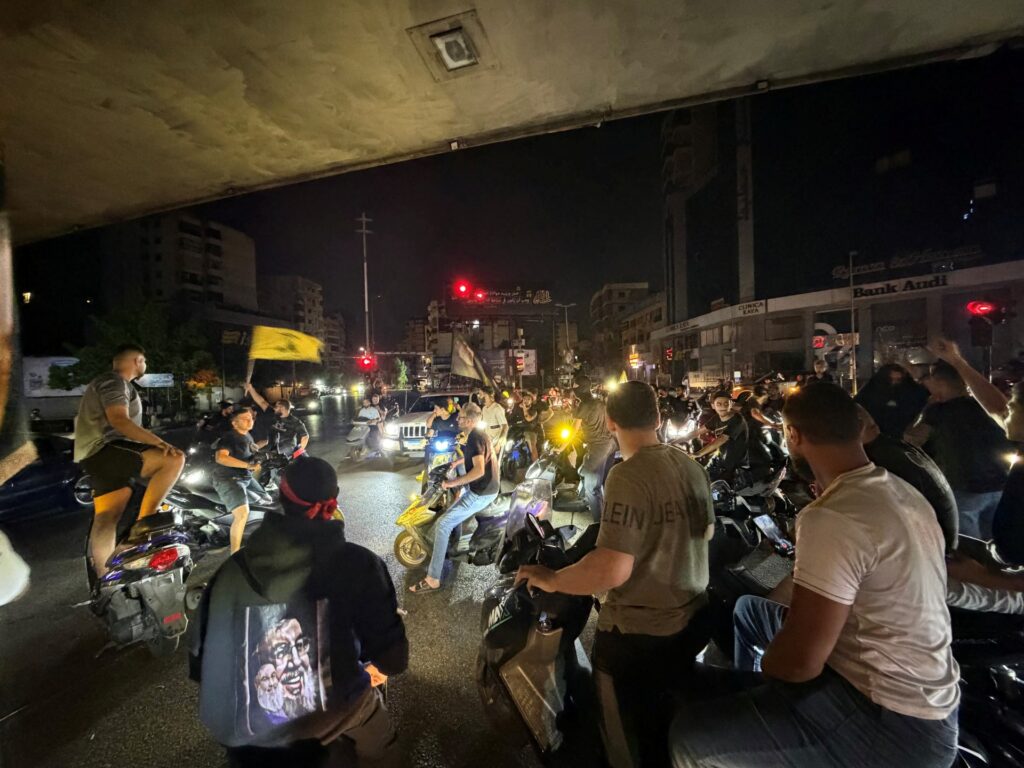
Hezbollah’s New Aid Program Poses Fresh Challenge to Lebanese Authorities
Beirut – In mid‑October, Hezbollah announced a new financial assistance scheme for Lebanese families whose homes were destroyed in the recent conflict with Israel. The group, which has a long record of helping its supporters after Israeli bombings, said the payouts would target displaced people and those whose houses are uninhabitable.
The announcement, made on October 13, comes as the Lebanese government intensifies efforts to curb Hezbollah’s influence. Last week officials seized hundreds of kilograms of explosives they linked to the organization. Hezbollah parliamentarian Hassan Fadlallah called the stockpile part of the “axis of resistance” against Israel and demanded its return and the release of those detained.
Ali Damoush, chairman of Hezbollah’s executive council, reiterated the group’s commitment to its base on Tuesday. “At Hezbollah, and out of our religious and moral responsibility, we will continue to serve our people and make every possible effort to preserve their dignity and honour,” he said, adding that the payments are meant for those whose homes have been destroyed or severely damaged.
The move follows a Reuters report that Iran transferred $200 million to Hezbollah to ease the burden on Lebanon’s Shia community after three years of war with Israel. The United States Department of State denied that Iran, under heavy economic sanctions, could have moved the funds. Nicholas Blanford, a senior fellow at the Atlantic Council, told Al Jazeera that the money would be a “huge boon” for the group, noting that Hezbollah is highly attuned to the needs of its Shia supporters. “The Iranians call the shots ultimately, but for Hezbollah I think there’s an awareness that they need to let their people breathe a little bit,” he said.
The latest round of fighting began on October 8, 2023, and displaced up to 1.2 million people, with roughly 9,000 Lebanese killed. Israel escalated its campaign on March 2, 2024, after a joint U.S.–Israeli strike on Tehran that killed Iran’s supreme leader, Ayatollah Ali Khamenei, an ally of Hezbollah. Israeli forces then re‑invaded southern Lebanon, displacing more than a million residents and killing about 4,300 since the escalation.
In June, a U.S.–brokered trilateral framework was signed by Israel, Lebanon and the United States, aiming for an Israeli pull‑back from parts of southern Lebanon and for the Lebanese army to disarm Hezbollah. Israel has yet to withdraw from two of the three pilot zones, and analysts say the occupation may become long‑term, with over 50 frontline villages destroyed and ongoing demolition of houses south of the “Yellow Line.”
Tens of thousands of displaced Lebanese remain with relatives, in rented apartments or hotels, many having lost their livelihoods. Hezbollah has stepped in to aid these people, most of whom are Shia Muslims and form the group’s core support base. While Iran’s alleged contribution is significant, the organization also draws on its own fundraising channels, including diaspora donations, domestic financial institutions and cryptocurrency, despite extensive sanctions.
The new aid program underscores the growing tension between Hezbollah’s expanding social role and the Lebanese state’s attempts to limit the militia’s power.