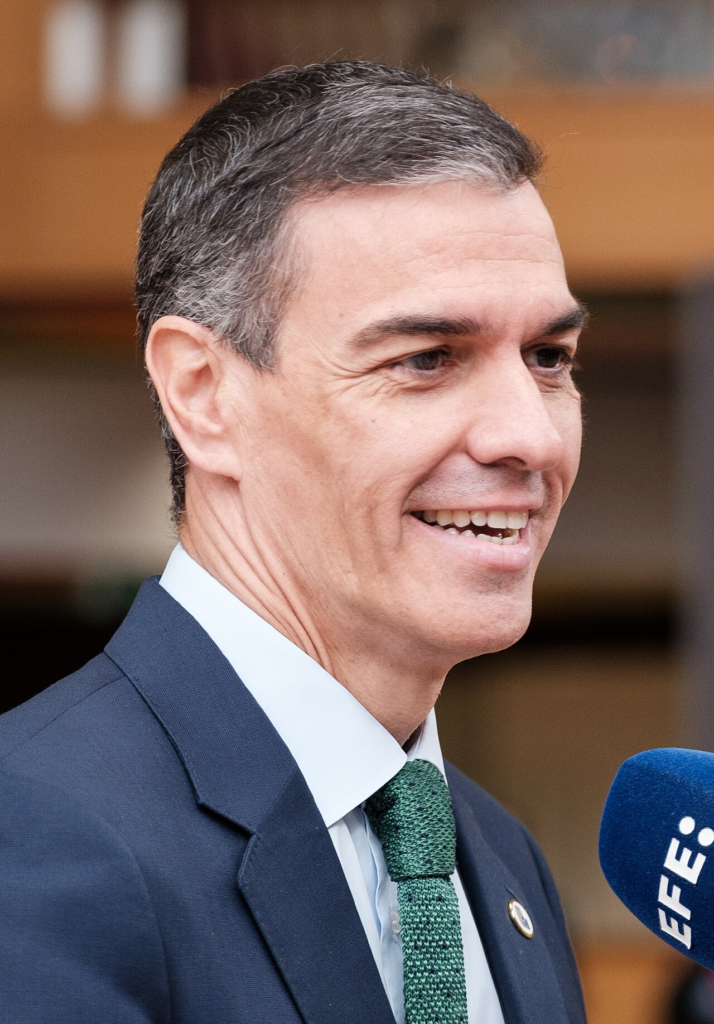
Spain Votes Sunday in a Snap Election That Could End Sanchez and Move Madrid Closer to Trump
Spaniards vote on Sunday in a snap election that could end eight years of socialist government and pull Spain closer to Donald Trump’s Washington. Prime Minister Pedro Sanchez, in office since June 2018, trails in the polls, and the centre right Popular Party, the PP, looks set to win the most seats. If the far right Vox party holds the balance of power, it could enter national government for the first time since dictator Francisco Franco died in 1975.
A snap election eight years in the making
Sanchez called the election on October 5, after two housing decrees failed in parliament. Housing dominates the campaign: prices had climbed more than 12 percent in a year by mid 2026, and the PP promises a million new homes, easier squatter evictions and tax benefits for landlords who keep rents below inflation. Sanchez has led a coalition of his Socialists, the PSOE, and the left wing Sumar party since 2018. This time the polls point the other way. The PP also won the most seats in 2023, but its leader, Alberto Nunez Feijoo, could not form a government. A similar stalemate is possible on Sunday.

The Madrid skyline. Photo: Frederick.schuman, Wikimedia Commons, CC BY-SA 3.0.
The numbers that point to a change of government
El Pais’s final polling average puts the PP on 31.4 percent, the Socialists on 29.1 percent and Vox on 17.9 percent. Several projections give the PP and Vox combined more than the 176 seats needed for a majority in the 350 seat lower house, which is what makes this election different from 2023: the right may finally have the numbers to govern. Vox’s role would still be contested. The two parties have governed together at regional and local level, but their regional alliances collapsed in 2024 over unaccompanied migrant minors. Vox wants greater independence from the European Union, while the PP supports closer integration, a tension that would shape any coalition.
Why Washington is watching
The election matters beyond Spain because Sanchez has been the European leader most willing to confront Trump. He rejected the president’s demand that NATO members spend 5 percent of GDP on defence, the only one of the alliance’s 32 states to refuse, and clashed with Washington over Gaza and Spain’s refusal to let American forces use its bases for operations against Iran. Trump threatened to halt all trade with Spain in that dispute. A PP led government is expected to seek closer relations with Washington and align its China policy with the European Union’s approach, according to Carla Hobbs of the European Council on Foreign Relations. Both back higher defence spending, though neither has committed to the 5 percent NATO target. Trump has not openly backed any candidate, likely a calculation: an August YouGov poll found 86 percent of Spaniards held an unfavourable opinion of him.
What comes after Sunday
If the PP and Vox win a majority, Spain moves right on housing, immigration and foreign policy, and the far right holds national office for the first time in half a century. If they fall short, Feijoo faces the same arithmetic that defeated him in 2023, and Sanchez could yet survive with another coalition. Either way, Europe will read the result as a signal: France and Poland vote next year, and a right wing win in Madrid would signal a wider wave. For Sanchez, the vote judges eight years in power. For Spain’s partners, it previews the Europe they will deal with.
Sources: Council on Foreign Relations, Al Jazeera, UA.NEWS reporting CNBC.