How American Crude Helped Pakistan Dodge the Latest Round of US Tariffs
Pakistan has stayed out of the latest round of proposed American tariffs, and the reason is not only diplomacy. It is also oil. Washington has proposed new duties on 14 economies, including China, India, the European Union, Vietnam and Bangladesh, after an investigation into excess industrial capacity. Pakistan is not among them. Its exporters still face the existing 10 per cent tariff, but not the higher rates proposed for rivals. Behind it sits a private Pakistani refiner that spent about 1 billion dollars buying American crude.
A trade gap narrowed by tankers, not talks
In April 2025, Washington announced a 29 per cent reciprocal tariff on Pakistani goods, citing a trade deficit of about 3 billion dollars. A July 31, 2025 arrangement cut the announced rate to 19 per cent and opened the door to energy cooperation.
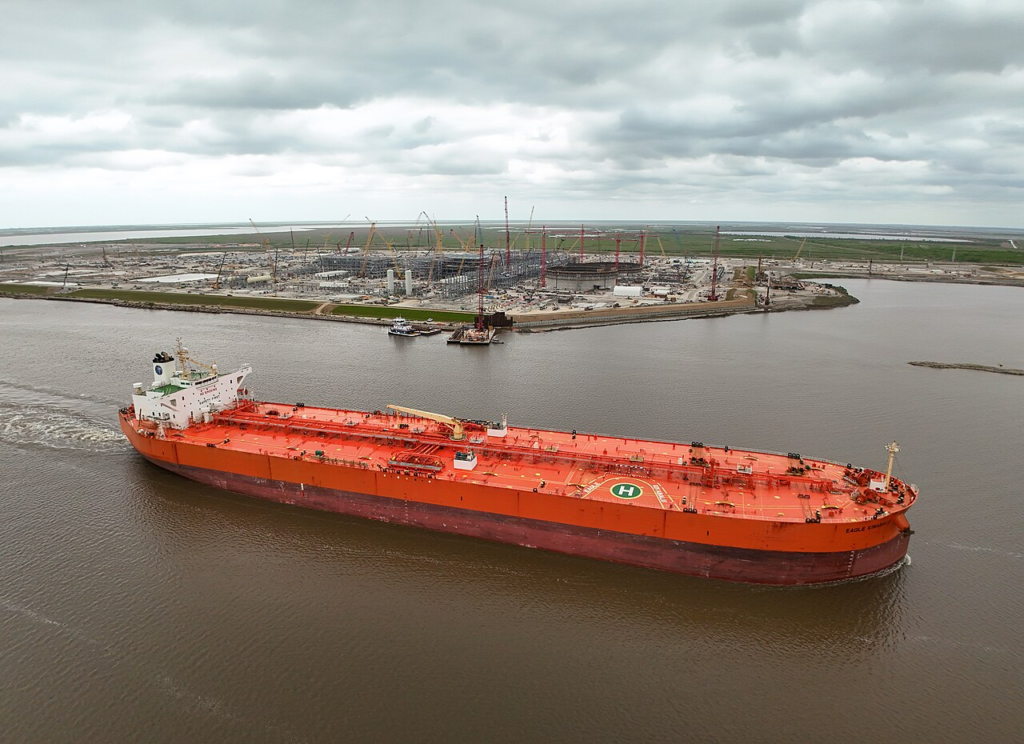
The private sector did the commercial work. Cnergyico Pakistan, the country’s largest oil refiner, received Pakistan’s first ever shipment of American crude in October 2025, when the MT Pegasus, loaded in Houston, arrived at its offshore mooring facility near Hub, Pakistan’s only facility able to handle very large crude carriers. In fiscal year 2025-26 the company imported about 7.1 million barrels worth 750 million dollars, and cumulative imports since then have reached 10 million barrels, worth about 1 billion dollars.
State Bank data show the effect: import payments to the United States rose 38.93 per cent to 3.265 billion dollars in fiscal year 2025-26, and Cnergyico’s crude accounted for about 82 per cent of the increase. Exports rose only modestly, from 6.031 billion to 6.125 billion dollars, so the trade surplus narrowed by more than 22 per cent, from 3.68 billion to 2.86 billion dollars.
What the gap means for exporters
If the tariffs are finalised, the gap could become a real edge: Vietnam faces up to 35 per cent, India 25 per cent, Bangladesh 18 per cent and China 20 per cent. For Pakistan’s textile exporters, competing with firms in those countries for American orders, a few points of duty can decide who wins a contract.
That advantage is not yet locked in. The proposals are not final: written comments are due by January 5, 2027, and public hearings begin on January 25, 2027. Crude is only part of the explanation: Pakistan was not among the economies originally investigated under this inquiry.
The flow itself is under strain
Cnergyico had planned at least 12 million barrels of American crude this fiscal year, about one cargo a month, but imports have run below plan. In April 2026, after changes to the diesel pricing formula, the four refineries together lost about 24 billion rupees, industry estimates say. On October 31, the government revised the petrol pricing mechanism, which the refineries have asked the petroleum minister to withdraw, citing a levy differential of 49.02 rupees per litre. Cnergyico Vice Chairman Usama Qureshi said: if the government wants the private sector to keep narrowing the trade gap, policy consistency is the single most important thing it can give.
What happens next
Cnergyico is seeking access to a proposed US Export-Import Bank trade financing facility, and exploring 150 million to 300 million dollars in foreign financing for a refinery upgrade estimated at 1.2 billion to 1.5 billion dollars. The January hearings will show how large the advantage really is.
Sources: The News, “Pakistan’s US crude imports shield it from fresh US tariffs”, November 27, 2026, thenews.pk; GTV News, “Pakistan’s Tariff Advantage; When Diplomacy Meets Commerce”, November 26, 2026, gtvnewshd.com; NDTV Profit, “Trump’s New Tariff List: India Faces 25% Duty, Is Pakistan Included?”, ndtvprofit.com