
Abrego Garcia Lands in Spain as a Free Man, Ending a Deportation Battle That Reached the Supreme Court
Kilmar Abrego Garcia arrived in Spain on Wednesday, closing a legal battle that lasted nearly two years, reached the US Supreme Court and became one of the defining stories of President Donald Trump’s immigration crackdown. The 31 year old Salvadoran national, who was wrongly deported to a megaprison in El Salvador last year, walked out of Madrid airport a free man, wearing a Chicago Bulls cap and sunglasses, and raised a fist to waiting cameras before boarding a car. He said nothing. His lawyers did the talking.
How a wrongful deportation became a national case
Abrego Garcia had lived in the United States for more than a decade when he was arrested in 2025 and deported to El Salvador in March of that year, despite a 2019 court order barring his return there because of the risk of persecution. The administration later admitted in court documents that the deportation was a clerical error. His case became a flashpoint for the mass deportation campaign, drawing protests and a visit from Senator Chris Van Hollen of Maryland. Ordered by the Supreme Court to facilitate his return, the administration brought him back to the United States in June 2025. He was then arrested on human smuggling charges, but a federal judge dismissed those charges in May this year, citing what the judge called a tainted investigation by Attorney General Todd Blanche. The government appealed and vowed to deport him to a third country instead. That attempt was blocked by the courts.
A departure both sides call a victory
The end came as a deal rather than a court order. Abrego Garcia left the United States on Tuesday on a commercial flight, after immigration agents removed his ankle monitor at Washington Dulles airport. His lawyer, Simon Sandoval-Moshenberg, said his client had left as a free man, to a country of his choice, and able to move freely around the world. The Department of Homeland Security announced his departure on Tuesday night, saying he had self-deported to Spain under a removal order, had received no incentives and would not be allowed back.
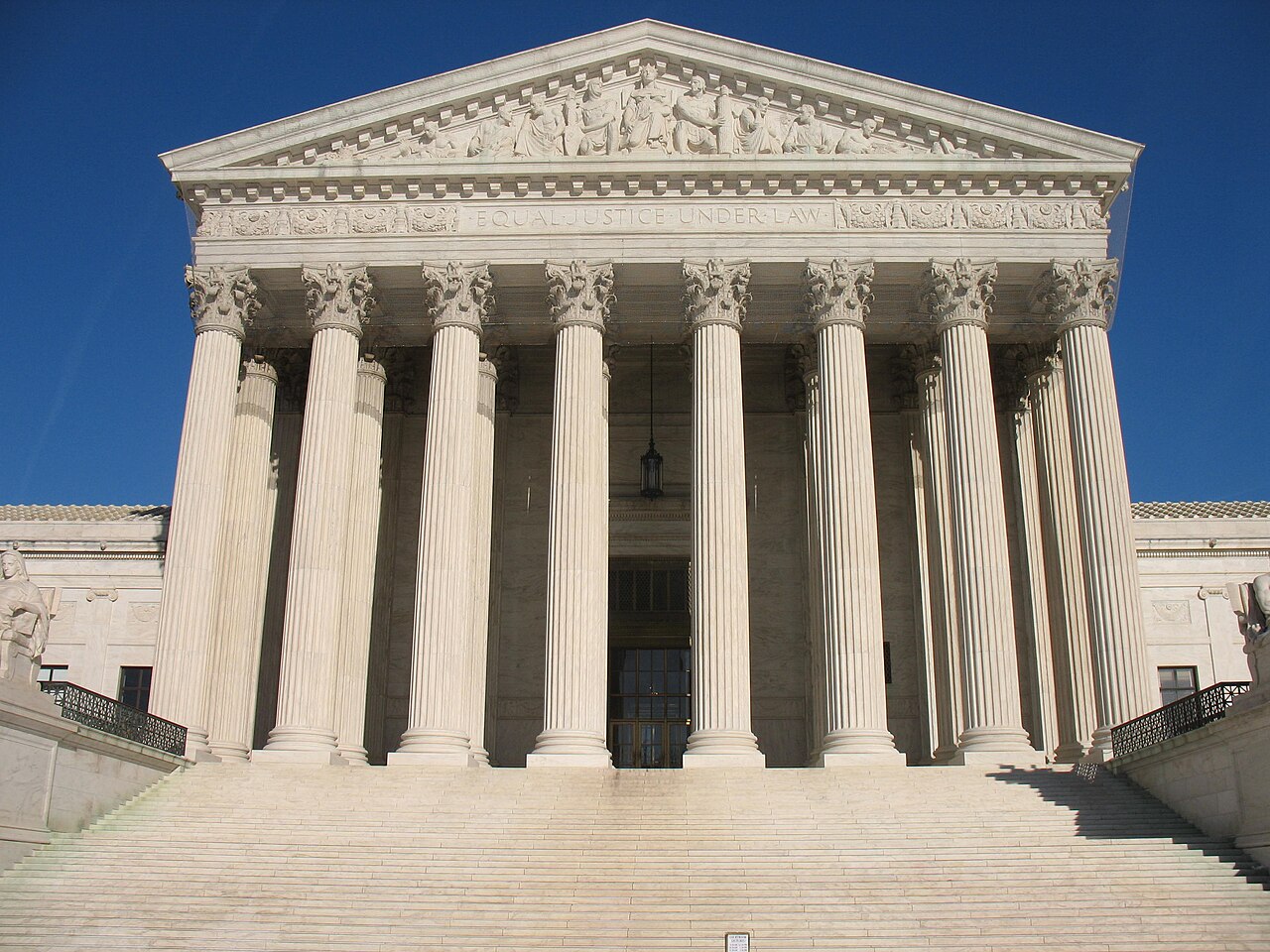
The United States Supreme Court building in Washington. Photo: Kjetil Ree, Wikimedia Commons, CC BY-SA 3.0.
What happens now
Abrego Garcia entered Spain on a tourist visa, which allows a stay of up to 90 days, and there was no indication that he entered under any formal agreement with the Spanish authorities. His lawyer has said the move is temporary, and that Abrego Garcia could have legal avenues to return to the United States under a future administration. He has a wife and a child, both American citizens, still in Maryland, and his lawyer said the family expects a future administration to prioritise reuniting them and bringing him back.
Why the case will outlast the headlines
Abrego Garcia’s story mattered because it tested whether court orders bind the government in immigration cases. The Supreme Court said the administration had to facilitate his return, and it did, but only after months of resistance, and only to face new charges and new deportation attempts. The dismissal of those charges, and the blocking of the Liberia deportation, showed the courts still acting as a check. But the ending also shows the limits of that check. The administration never conceded the core point, and Abrego Garcia is now living abroad, separated from his family, waiting for a different political moment. His lawyer predicts he will return as a lawful permanent resident under the next administration. That is a prediction, not a promise.