India Pledges $1.62 Billion to Flood-Hit Nepal as Modi and Shah Reset a Strained Friendship
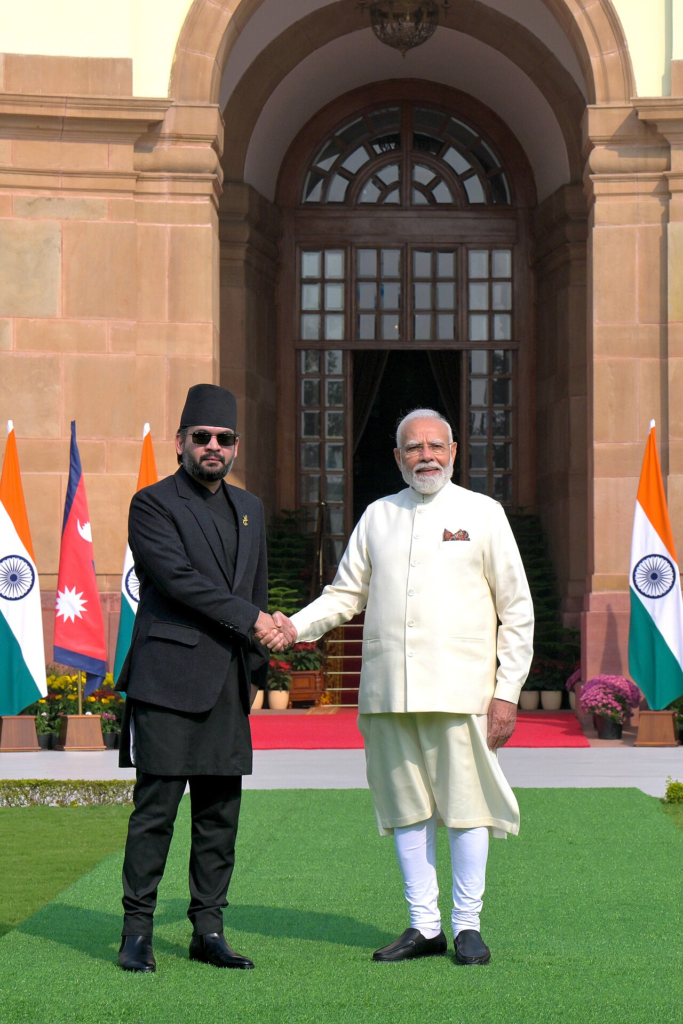
India has announced a $1.62 billion economic package for Nepal, one of the largest assistance commitments New Delhi has ever made to its Himalayan neighbour. The announcement came on Monday after talks in New Delhi between Indian Prime Minister Narendra Modi and his Nepali counterpart Balendra Shah, who is on his first bilateral trip abroad since coming to power in March. The package is built around flood recovery, but its timing says as much about regional politics as it does about reconstruction.
What the package contains
The package is worth 24,000 crore Nepalese rupees, about $1.62 billion. It includes a $377 million grant for post-disaster reconstruction and new infrastructure projects, and a $1.24 billion line of credit for energy projects, according to a joint statement from the two countries. The two leaders also signed eight agreements covering education and research, satellite communications, sustainable urban development and healthcare, among others, and jointly opened a train link between the two countries. They adopted a joint vision document titled Viksit Bharat and Samunnat Nepal: Re-imagining the Partnership, setting out cooperation across infrastructure, energy, water resources, climate resilience, digital services and technology.
A country still rebuilding after the floods
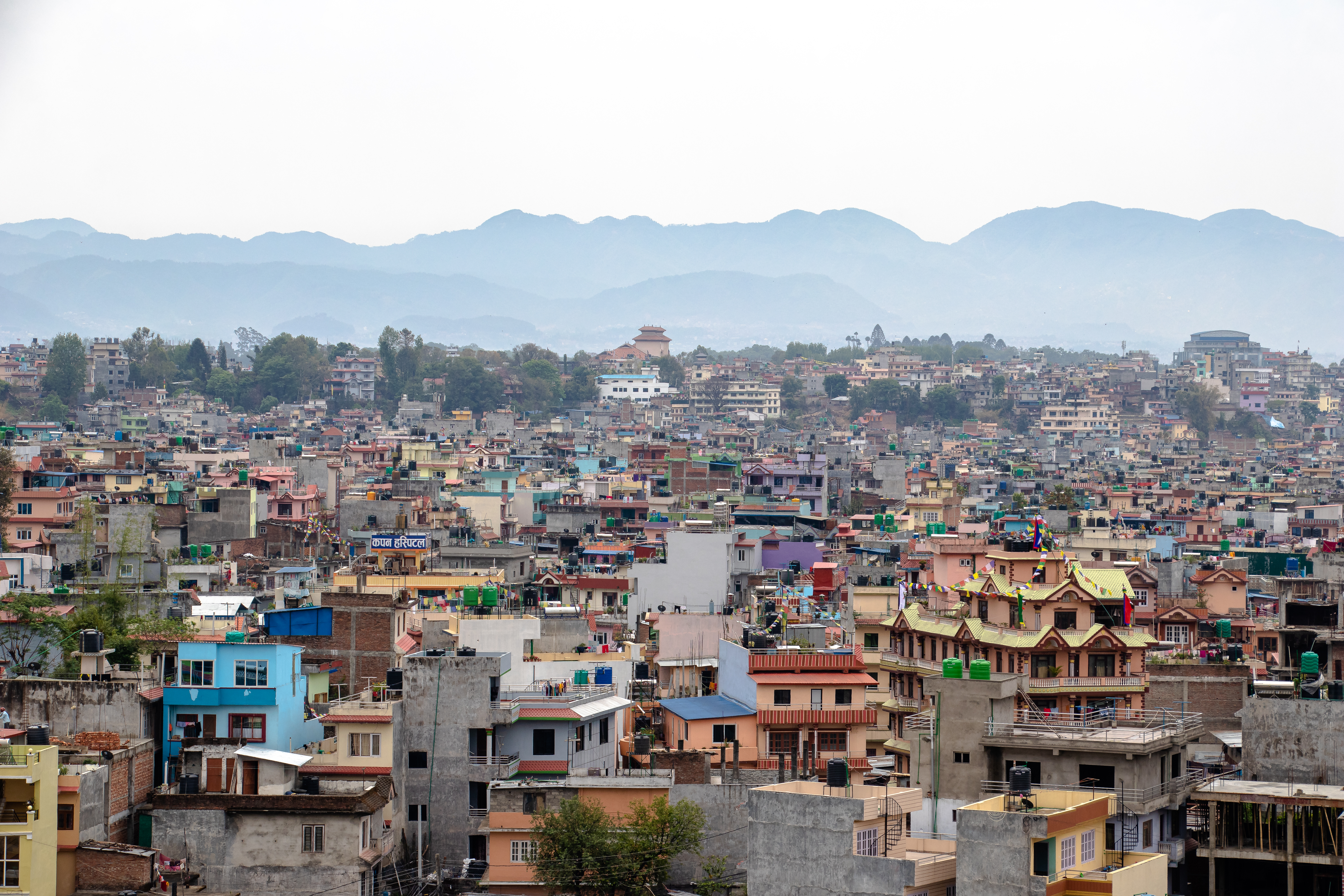
The money answers a real emergency. In August, a devastating Himalayan flood swept through Nepal, killing around 1,500 people and leaving 5,200 missing and presumed dead. Roads, bridges, schools and homes were destroyed. The flood hit Nepal’s hydropower sector hard, damaging more than a dozen projects and wiping out about 10 percent of the country’s electricity generation capacity. Nepal was forced to halt power exports and turn to India to meet domestic demand. Shah told the United Nations General Assembly in September that Nepal’s post-flood recovery needs amount to about 10 percent of its gross domestic product. Modi said the commitment would help affected families get their lives back on track and strengthen Nepal’s capacity to deal with future disasters.
Why Delhi is moving now
There is a strategic calculation behind the generosity. Nepal sits between India and China, and Beijing has been deepening its economic ties with Kathmandu in recent years. India remains Nepal’s biggest trade partner and a major aid donor, and it was the first to respond after the flood, sending planeloads of aid and help to restore communication links severed in the mountains. The relationship has also been strained by a longstanding boundary dispute over Kalapani, Lipulekh and Limpiyadhura. Shah thanked India for acting as a first responder in times of natural disaster and invited Indian investors, and Modi, to visit Nepal. The package, the agreements and the joint vision document together read as an attempt to put the relationship back on a forward track after years of friction.
What happens next
The test now is delivery. The joint statement says specific projects and the modalities for the assistance will be finalised through mutual consultations, so the headline figure is a promise rather than a plan. For Nepal, the urgent need is power: restoring the hydropower capacity lost in August and rebuilding the roads and bridges the floods washed away. For India, the measure of success will be whether the package buys lasting goodwill in a neighbour that has learned to play Delhi and Beijing against each other. If the projects move quickly, the reset could hold. If they stall, the next flood, or the next dispute over the border, will test it again.