
Pakistan Hosts 49 Nations at IAEA-Backed Nuclear Security Meeting in Islamabad
Pakistan opened the 15th annual meeting of the International Network for Nuclear Security Training and Support Centres (NSSC Network) in Islamabad on Monday, 23 November 2026, bringing together the International Atomic Energy Agency (IAEA) and representatives of 49 member states for four days of talks on how countries train the people who guard nuclear and radioactive material.
The meeting runs until 26 November. The Foreign Office said delegates will discuss ways to strengthen nuclear security training and support, promote international cooperation and exchange experience. “Hosting the meeting in Islamabad reflects Pakistan’s continued commitment and contribution to advancing nuclear security through international cooperation, knowledge sharing and sustainable capacity building,” the Foreign Office said.
What the NSSC Network does
The network links the national centres that train nuclear security professionals around the world. Its members run the courses, exercises and laboratories that teach regulators, inspectors, guards and first responders how to protect nuclear facilities, track radioactive sources, secure material in transport and respond if something goes wrong. The annual meeting is where those centres compare notes, agree on common training standards and plan joint courses for the year ahead. For most countries, the work is practical rather than political: a guard force that has rehearsed a response and a regulator that has inspected a real facility are worth more than any statement of intent.
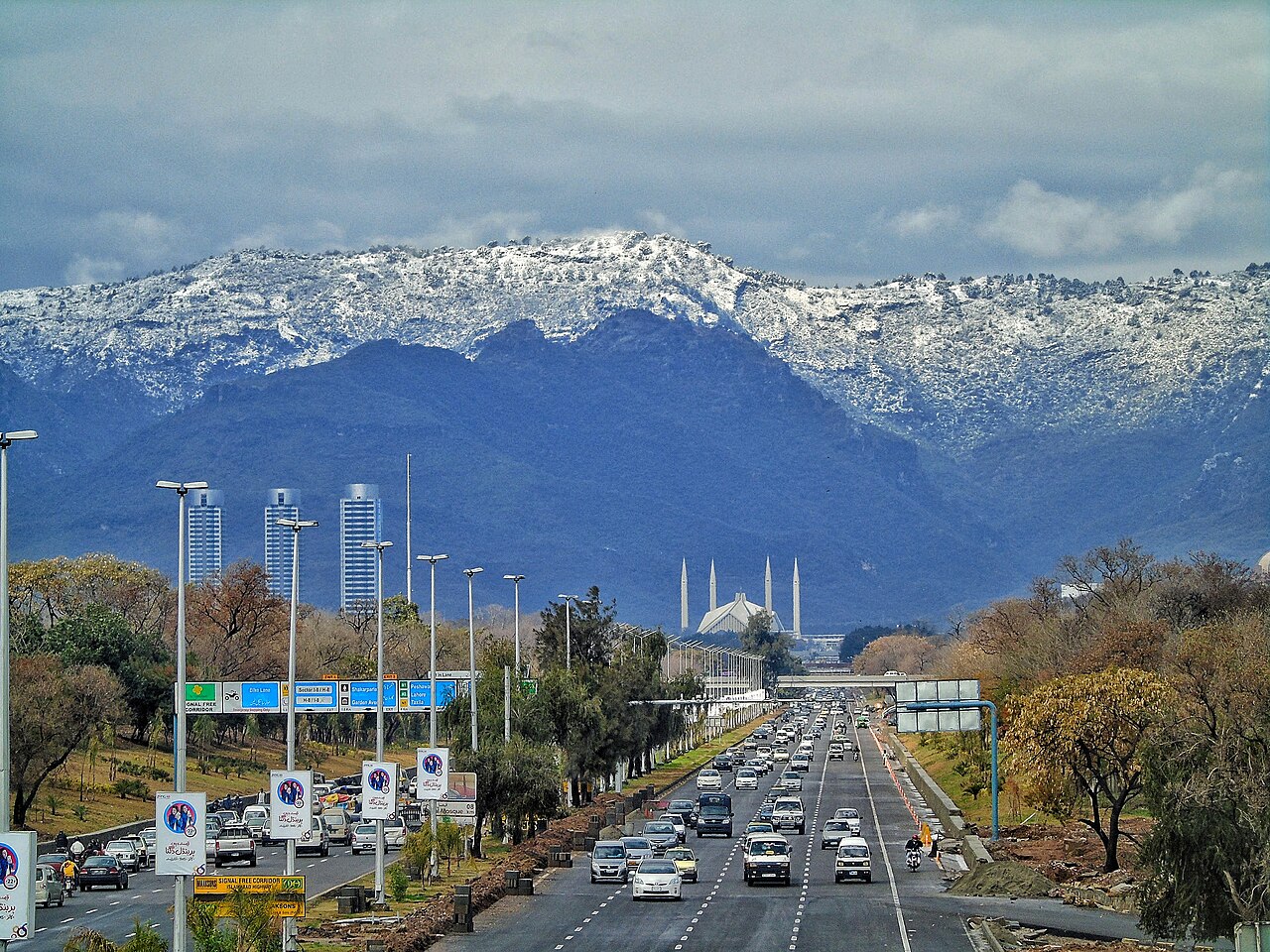
A return visit, ten years on
Islamabad has hosted this gathering before. In March 2016, Pakistan hosted the network’s annual meeting, the first time it had been held outside IAEA headquarters in Vienna. The meeting returns to a country that has spent the intervening years building the institutions to justify it. The timing also follows a quiet milestone: Pakistan completed its first IAEA International Physical Protection Advisory Service (IPPAS) mission on 9 October 2026, an expert review of the legal and regulatory framework for physical protection, organised by the Pakistan Nuclear Regulatory Authority with the Pakistan Atomic Energy Commission and other national bodies.
The institutions behind Pakistan’s seat at the table
Three institutes carry Pakistan’s nuclear security training. The Pakistan Centre of Excellence for Nuclear Security (PCENS) runs specialised courses on threat assessment and personnel reliability, with simulation and physical protection laboratories. The National Institute of Safety and Security (NISAS), set up by the regulator, was designated an IAEA Collaborating Centre for nuclear security training and technical support in 2022. The Pakistan Institute of Engineering and Applied Sciences (PIEAS) supplies the academic base. The record they point to is concrete: 156 foreign participants from 40 IAEA member states have taken part in training courses at PCENS.
Why the timing matters
The meeting opens in a tense region. Iranian strikes in the Gulf wounded a Pakistani citizen in Bahrain at the weekend, and the region’s governments are watching every channel of dialogue that still works. Nuclear security cooperation is one of the few areas where rivals and neighbours keep talking, because a stolen radioactive source or a breached facility harms everyone regardless of politics. For Pakistan, the gathering is also a reputational asset: a country that runs nuclear power plants is judged less by what it says about safety than by who is willing to send their people to be trained in its classrooms.
What to watch this week
The test of the meeting will be what it produces beyond the group photograph. Watch for a work plan for joint training courses in 2027, new commitments to host regional courses at PCENS and NISAS, and any agreement on shared standards for cyber security at nuclear facilities, where the threat is growing faster than the training.
Photo: The Vienna International Centre, headquarters of the International Atomic Energy Agency. Credit: IAEA Imagebank, via Wikimedia Commons (CC BY-SA 2.0).
Sources: Dawn, Arab News, The Express Tribune, Business Recorder, The Nation, Dunya News, Ministry of Foreign Affairs.