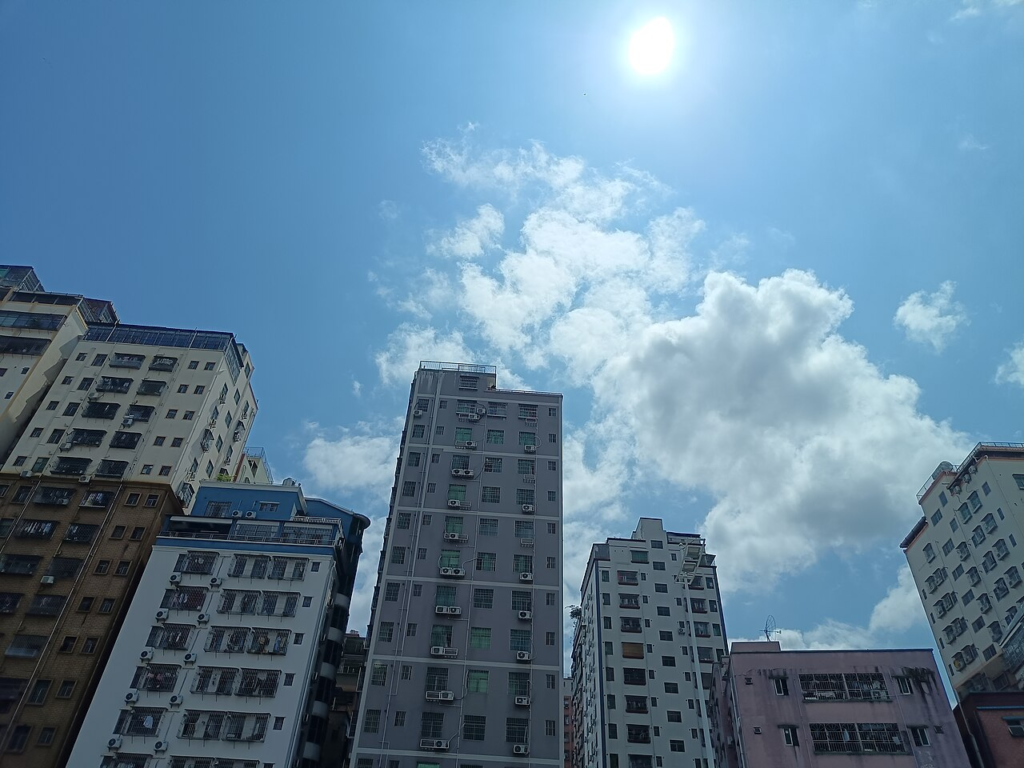
Trump, Xi and Putin Sign Four-Point Peace Declaration After First-Ever Trilateral Summit in Shenzhen
The leaders of the United States, China and Russia met on Thursday in Shenzhen for the first three-way summit in their countries’ history, and ended it with a joint declaration on peace that promises cooperation on nuclear risks, energy supplies and reform of the United Nations. The meeting, held on the sidelines of the APEC summit, lasted about an hour and a half. Its symbolism was enormous. Its substance, by the leaders’ own text, was far thinner.
What the four points actually say
The declaration, titled “The Russia-China-U.S. Heads of State Declaration Toward Peace”, sets out four commitments. First, the three countries, all permanent members of the UN Security Council, pledged to reform the United Nations so it can respond more effectively to global challenges. Second, they agreed to increase production and supply of refined petroleum products to keep energy flows stable. Third, they recognised state consent and the immunity of state officials as fundamental, and agreed that the International Criminal Court and similar bodies must not abuse their jurisdiction. Fourth, they reaffirmed that a nuclear war cannot be won and must never be fought, and promised dialogue on reducing nuclear risks and preventing proliferation.
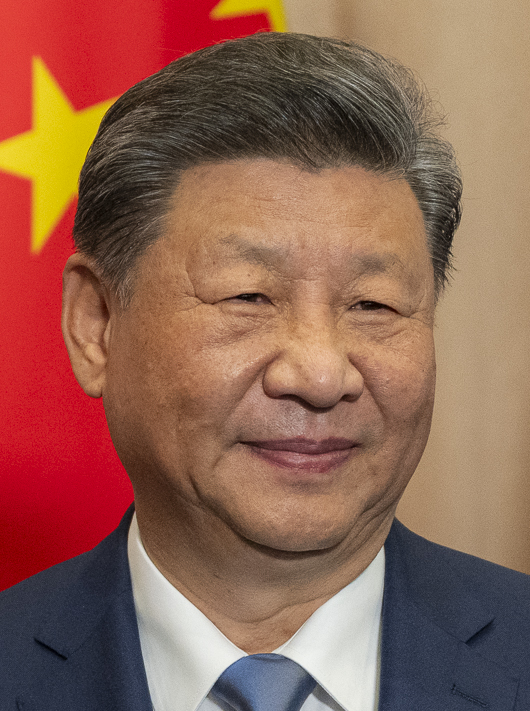
Chinese President Xi Jinping chaired the Shenzhen session. Photo: The White House, Wikimedia Commons, public domain.
What the declaration leaves out
What the text does not say may matter more than what it does. It names no cap on nuclear weapons and sets no timetable for any of the four points. It says nothing about Ukraine, the war that has dominated relations between Moscow and Washington for years, and nothing about Iran, where a war that began in February has disrupted oil supplies through the Strait of Hormuz. The leaders discussed both wars behind closed doors, according to reports, but agreed on neither. One analysis called the summit all optics and few breakthroughs, and the declaration itself reads that way: broad principles, no mechanisms.
Why this meeting happened now
The timing was not accidental. Xi Jinping opened the session by calling on the three powers to be partners and friends, avoid conflict and confrontation, and respect each other’s red lines. He set out four principles for how major powers should get along: mutual respect, peaceful coexistence, mutually beneficial cooperation and dialogue. He also warned of the Thucydides Trap, the idea that war becomes more likely when a rising power challenges an established one. Trump said the three countries were uniquely positioned to talk about reducing nuclear weapons and the risk they might be used. Putin described the three as victors in the Second World War who share responsibility for keeping the peace. The backdrop was a world of overlapping wars and energy shocks, and a year of intensive diplomacy between Beijing and both Washington and Moscow.
What happens next
The test now is whether the dialogue promised in the declaration actually happens. The three countries said they would talk about reducing nuclear risks, and a second meeting is possible if Putin travels to Miami for the G20 summit next month. For ordinary readers, the immediate effect is small: no sanctions lifted, no war ended, no oil price set. But the meeting created something that did not exist before, a regular channel between the three largest nuclear powers. Whether it becomes a habit or a one-off photo opportunity will be decided by what the three governments do in the weeks after Shenzhen.
Sources: Reuters, via The Times of India, South China Morning Post, Firstpost, Associated Press, via The Economic Times.