Pakistan Targets Rs2 Trillion in SME Lending by 2028 as Banks Are Pushed Beyond Collateral
Pakistan wants to nearly double the money flowing to its small and medium enterprises, with Finance Minister Muhammad Aurangzeb setting a target of Rs2 trillion in SME financing by June 2028. He announced the goal while addressing a ministerial dialogue on SME growth at the Global SME Finance Forum 2026 in Singapore, and the message was clear: the country cannot grow on the back of a sector it refuses to finance.
A sector that carries the economy but starves for credit
The numbers explain why the target matters. Small and medium enterprises account for about 90 percent of all businesses in Pakistan, roughly 40 percent of GDP, around a fifth of exports and close to 78 percent of non-farm employment, according to the finance minister. Yet for decades, these firms have received only a small share of bank lending, and the gap shows up everywhere: in workshops that cannot buy a second machine, in exporters that turn down orders for lack of working capital, and in family businesses that stay small because no bank will lend to them.
The core problem is how banks decide who gets a loan. Traditional lending in Pakistan is built around collateral, usually property, and most small businesses do not have the kind of assets banks want to see.
From collateral to data
Aurangzeb argued that the answer is to move beyond collateral-based lending toward technology-enabled, data-driven and inclusive financing. In practice that means using digital payment records, transaction histories and alternative credit assessments to judge whether a business can repay, rather than asking what property it owns.
One building block is already in place. The State Bank of Pakistan launched the SME Connect Portal on November 1, 2026, to help small firms register, apply for finance and track their applications, while making bank processing times more transparent. The minister also pointed to the Small and Medium Enterprises Development Authority, known as SMEDA, whose job is to help businesses improve their balance sheets and disclosures so that lenders can actually assess them. A firm with clean books is a firm a bank can say yes to.
Risk sharing to pull banks in
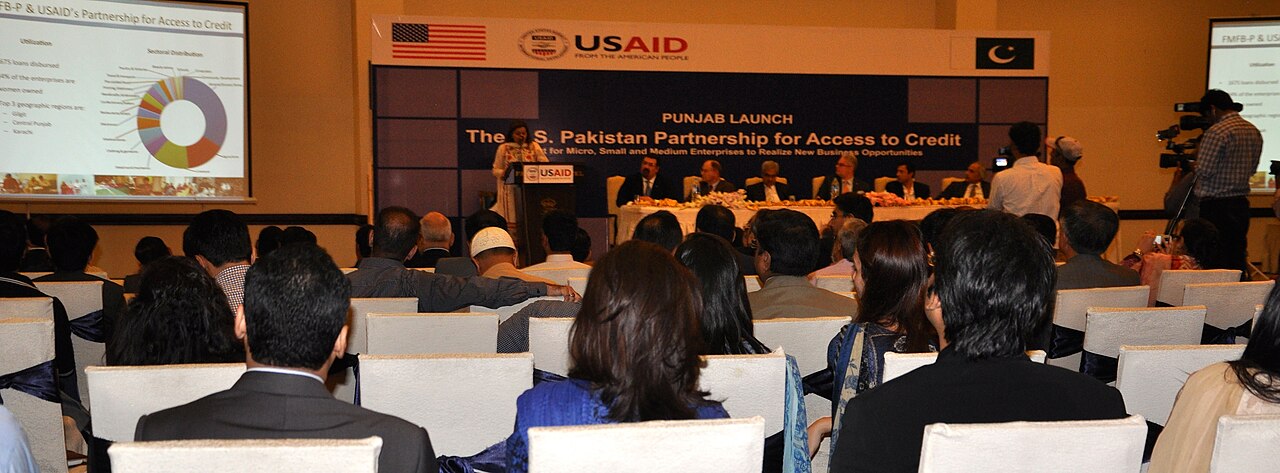
The minister also welcomed the scaling up of risk-sharing and partial guarantee schemes, particularly for small firms and small farmers, to draw private capital into SME lending. The logic is straightforward: if the state shares some of the risk, banks have less reason to say no.
What to watch
A target is not a result, and the Rs2 trillion figure will be judged on whether banks actually change how they lend. The first test is the SME Connect Portal: if applications rise and approvals follow, the system is working. The second is whether risk-sharing schemes are large enough to matter, and whether banks use them instead of treating them as a formality. The third is whether the smallest firms, the ones without property and without formal records, are the ones that benefit, or whether the money flows mainly to the larger, safer end of the SME spectrum.
This is a different announcement from the SME facilitation centres approved earlier in the week, which focused on physical support and export finance. Whether the financing target becomes real lending by June 2028 is now the question to track.
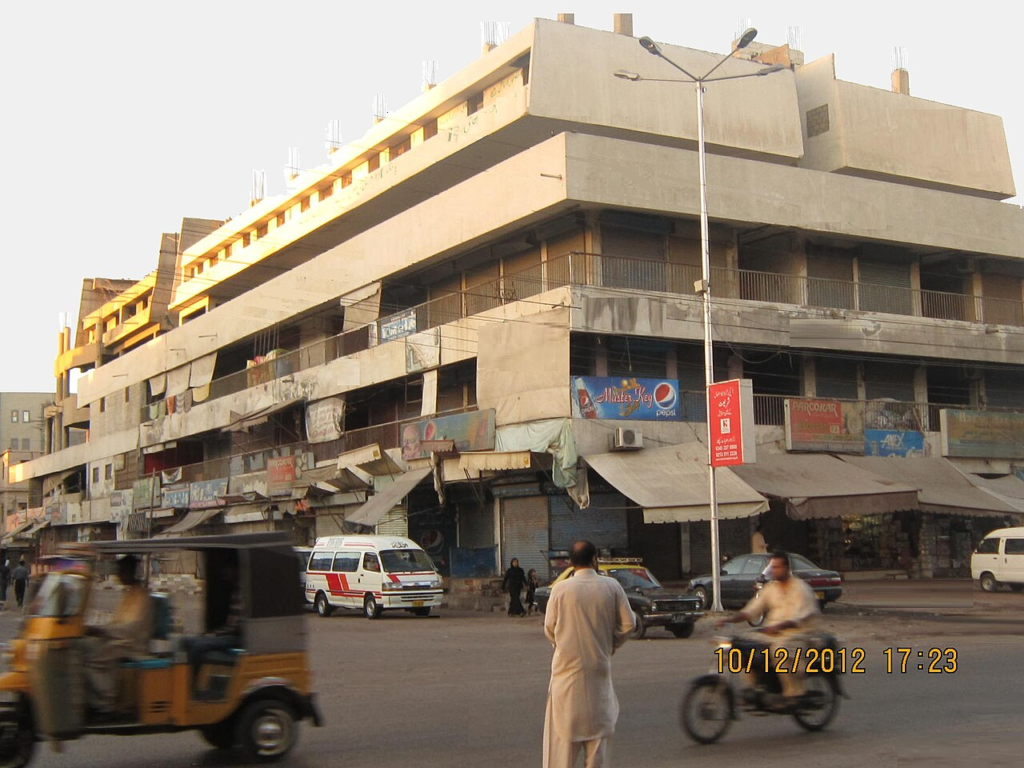
Featured image: Bolton Market, Karachi. Photo: panoramio, CC BY-SA 3.0, via Wikimedia Commons.
Sources: The Express Tribune (https://tribune.com.pk/story/2641065/sme-financing-targeted-at-rs2tr-by-2028)