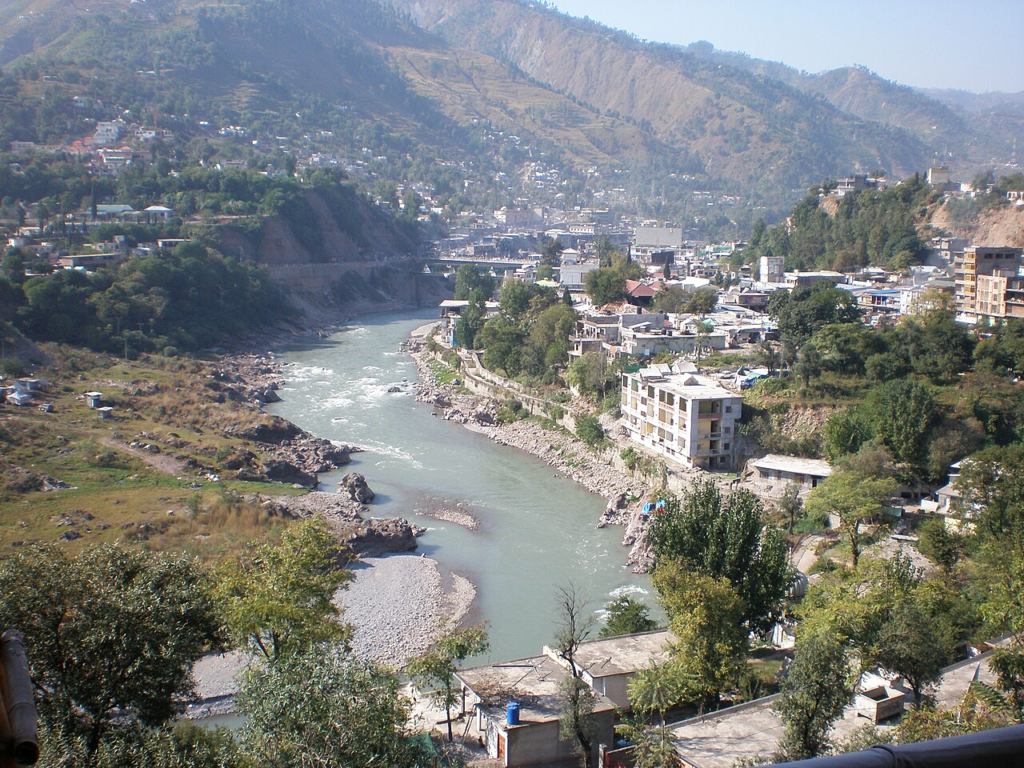
Sharif Brothers Take the Development Promise to Muzaffarabad: What the AJK Visit Signals
Prime Minister Shehbaz Sharif and PML-N President Nawaz Sharif travelled to Muzaffarabad on Wednesday for a high profile meeting with the leadership of Azad Jammu and Kashmir, turning the spotlight on a region that has waited months for the development promises made during its elections to take concrete shape. The visit, which included the inauguration of a rebuilt bridge and a formal push behind a 100-day reform agenda, was as much about political signalling as it was about bricks and mortar.
What happened in Muzaffarabad
The two leaders met AJK President Dr Muhammad Najeeb Naqi Khan and AJK Prime Minister Syed Iftikhar Ali Gillani in the regional capital, according to the Prime Minister Office. Punjab Chief Minister Maryam Nawaz attended alongside federal ministers including Planning Minister Ahsan Iqbal and Information Minister Attaullah Tarar. The discussion centred on development projects, public welfare and the delivery of promises made to voters during the AJK elections.
Later in the day, the prime minister inaugurated the reconstructed Rathoa Haryam Bridge, unveiling a plaque to formally open it. He described the bridge as a major milestone for development and prosperity in the region, saying it would make travel between Mirpur and surrounding areas easier. Nawaz Sharif reaffirmed his commitment to completing major development projects in the region and launching further initiatives for the welfare of its residents.

The 100-day agenda behind the visit
The visit did not come out of nowhere. The PML-N came to power in AJK in August this year after phased elections in which Nawaz Sharif campaigned actively. Soon after AJK Prime Minister Gillani took office, Nawaz handed him a comprehensive 100-day reform agenda, stressing that healthcare, education, sanitation and reliable roads were basic rights of the people of the region. On September 9, the prime minister assured Gillani of the federal government full cooperation.
Wednesday meeting was presented as the next step in that sequence. Punjab Senior Minister Marriyum Aurangzeb said on X that the leadership had arrived in Muzaffarabad to personally oversee the region development and formally launch the 100-day agenda. The message is clear: the party wants to be seen delivering, not just promising, in a region where it now holds the government.
Why the timing matters
The development push also comes against a difficult backdrop. Renewed security concerns have surfaced in parts of AJK, particularly Rawalakot, where reports of fresh violence and clashes involving security personnel and supporters of the proscribed Joint Awami Action Committee emerged in November. The committee has led a prolonged protest movement demanding constitutional and governance reforms, including the abolition of 12 seats reserved for Kashmiri refugees in the AJK Legislative Assembly, an end to privileges for the political elite and changes to the quota system.
That context gives the visit a second purpose. Development spending and visible projects are the federal government preferred answer to discontent, and a bridge inauguration plus a reform timetable are meant to show that the state is responding with services rather than only with security measures. Whether residents read it that way will depend on how quickly the 100-day promises turn into functioning hospitals, schools and roads.
What to watch next
Three things will show whether this visit was more than a photo opportunity: the pace of the 100-day agenda and the funds behind it, the Punjab government role that the meeting explicitly discussed, and the situation in Rawalakot, where protest demands will test whether development alone can ease a dispute that is fundamentally about representation and reform. For now, the Sharif brothers have put their names to a delivery timetable in Muzaffarabad, and the region will be watching the calendar.
Sources: Dawn; The Express Tribune. Featured photo: Muzaffarabad, by Badkhan, Wikimedia Commons (public domain). Section photo: Muzaffarabad city, by King Eliot, Wikimedia Commons (CC BY-SA 4.0).