
How Your Electricity Bill in Pakistan Is Calculated: Slabs, Fuel Charges and Taxes Explained
Every month, millions of households in Pakistan open an electricity bill that is higher than they expected. Energy charges, fixed charges, fuel adjustment, quarterly adjustment, surcharges, duty, sales tax and a TV fee all stack up on one page. Each line has a rule behind it. Once you know the rules, you can check your own bill and see what pushes it up.
It starts with your meter reading
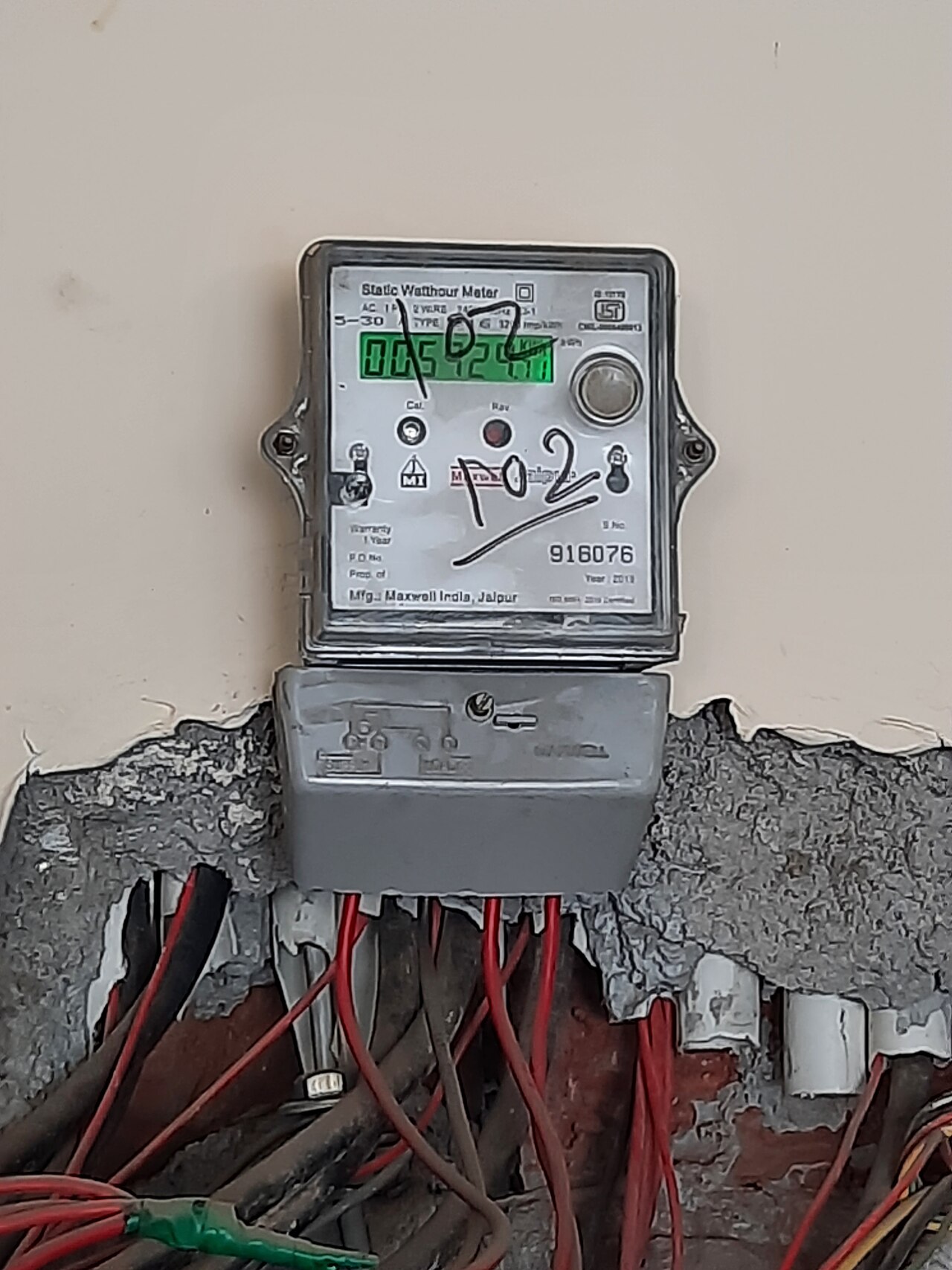
Everything on the bill begins with one number: the units you used. Your distribution company reads your meter each month and subtracts the previous reading from the current one. The difference is your consumption in units, also called kilowatt hours. If the reading printed on the bill does not match your meter, that is the first thing to check, because every charge after it is built on that number.
The slab system: protected versus unprotected
Your units are not charged at one flat rate. They are priced slab by slab under a tariff set by NEPRA, the National Electric Power Regulatory Authority, and notified by the government through S.R.O. 279(I)/2026 on 12 February 2026. Lifeline consumers pay Rs 3.95 per unit for up to 50 units and Rs 7.74 for 51 to 100 units. Protected consumers, homes that used 200 units or fewer in each of the previous six months, pay Rs 10.54 for the first 100 units and Rs 13.01 for units 101 to 200. Unprotected homes pay much more: Rs 22.44 for the first 100 units, Rs 28.91 for 101 to 200, then rising in steps to Rs 47.20 above 700 units. These are base rates, before adjustments and taxes. The protected line matters most. Cross 200 units even once and you can lose protected status for about six months, after which every unit is billed at the higher rates. That is why a bill for 201 units can jump far more than a bill for 200 units.
The adjustments: fuel charges and quarterly corrections
The energy charge is only the first layer. Next comes the fuel adjustment, called FCA or FPA on the bill. NEPRA sets a monthly per unit correction that bridges the gap between the fuel cost assumed in the base tariff and the actual cost of generation. It can be positive or negative, and during 2026 it has ranged roughly from Rs 1.50 to Rs 6.80 per unit, usually reaching your bill with a lag of a month or two. Then there is the quarterly tariff adjustment, or QTA, reviewed every three months to recover past cost differences and capacity payments owed to power plants. Two small surcharges sit alongside these, the Neelum-Jhelum surcharge of about Rs 0.10 per unit and the financing cost surcharge of about Rs 0.43 per unit, plus a fixed monthly charge. These lines explain why two months with the same units can still produce different bills.
Taxes and the TV fee
On top of the energy charge and the adjustments come the taxes. General Sales Tax is charged as a percentage of your energy charges plus the fuel adjustment, so a high FCA month also raises your sales tax. Electricity duty is a smaller provincial charge of around 1.5 percent. Then there is a flat TV licence fee of Rs 35 a month. Finally, the due date matters: pay after it and a late payment surcharge of 10 percent is added on top.
A worked example: 150 units as a protected consumer
Take a protected household that used 150 units in a month. The energy charge is 100 units at Rs 10.54, which is Rs 1,054, plus 50 units at Rs 13.01, which is Rs 650.50, giving Rs 1,704.50. Then the fixed charge, the fuel adjustment, the quarterly adjustment and the two surcharges are added. Sales tax and electricity duty are calculated on that growing total, and the Rs 35 TV fee is added at the end, so the final amount lands noticeably above Rs 1,704.50. The same 150 units as an unprotected consumer cost Rs 3,689.50 in energy charges alone, more than double, before any adjustment or tax. That gap is the real price of losing protected status.
Five checks that keep your bill down
First, guard the 200 unit line. If you are close to it, run the washing machine and water pump a little less that month, because staying protected is worth far more than the units you save. Second, compare the meter reading on the bill with your actual meter before paying. Third, read the FCA and QTA lines when a bill jumps. A sudden rise is often an adjustment, not extra usage. Fourth, always pay before the due date to avoid the 10 percent late surcharge. Fifth, find the quiet consumers in your home. An old fridge, a water pump that runs daily, or an air conditioner left on in an empty room adds units every day without being noticed.
The bottom line
Your electricity bill is not one price but a stack: units priced by slab, plus adjustments for fuel and past costs, plus surcharges and taxes. The two levers a household actually controls are how many units it uses and whether it stays protected. The rates in this guide are the ones notified in February 2026. For the latest schedule, check NEPRA’s own website.
Featured photo: high-tension power lines by Mirza Muneeb Ahsan, Wikimedia Commons, CC BY-SA 4.0.