
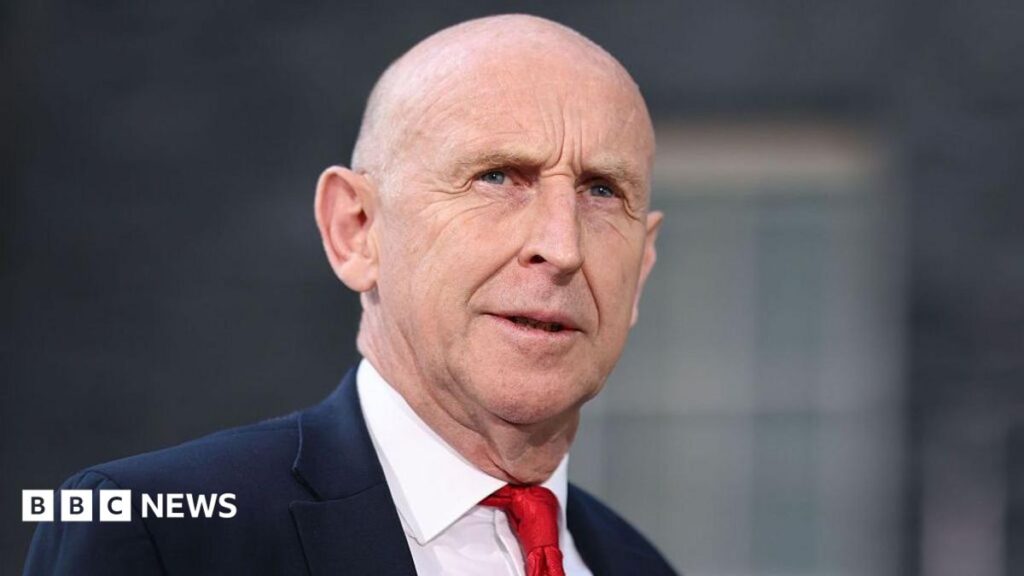
Chancellor John Healey to unveil Labour’s first Budget on October 28
The Treasury will present Chancellor John Healey’s inaugural Budget on 28 October, outlining the Labour government’s tax and spending strategy. Healey has said he will not dismiss the possibility of tax rises after warning that government borrowing costs have reached “historic highs”. Yet the scope for new taxes is narrow, as Labour pledged before the 2024 election not to increase income tax, National Insurance or VAT, the three biggest revenue streams.
In his statement to MPs in the House of Commons, Healey will detail proposals to raise or cut taxes. The Treasury will release the associated measures and costings, while the independent Office for Budget Responsibility (OBR) will publish its assessment of the UK’s economic health and a forward‑looking forecast.
Speculation about the Budget’s content is already swirling, though the government hopes to keep details limited. Healey and Prime Minister Andy Burnham must balance greater household support, defence spending commitments, and Labour’s manifesto tax promises, all while adhering to fiscal rules set by former chancellor Rachel Reeves. Those rules require the government not to borrow for day‑to‑day spending and to reduce debt as a share of national income by the end of the parliamentary term.
The OBR estimated in March that the first rule left a headroom of £23.6 billion, but analysts say that buffer has likely shrunk. KPMG predicts it may be around £12 billion, while the Institute for Fiscal Studies puts it nearer £20 billion, noting that higher borrowing costs raise debt interest payments while inflation could boost tax receipts.
Potential measures being discussed include:
* **Bank taxes** – Industry leaders have told the BBC they expect a levy increase. Options on the table are a 3 percent surcharge on bank profits (reduced from 8 percent under the previous Conservative government) or a higher bank levy based on balance‑sheet size.
* **Your First Home scheme** – The Budget should provide more detail on a program to help first‑time buyers in England. The plan would let purchasers put down 2.5 percent of a new‑build home’s price and receive a loan equal to 20 percent of the property’s value.
* **Capital Gains Tax** – Earlier speculation that CGT rates might rise or exemptions be altered has been ruled out.
* **Business taxes** – The Times reports that online platforms such as Amazon and eBay could be required to collect tax on behalf of traders using their services. The revenue is expected to fund a rise in the small‑business rate threshold from £12,000 to £18,000, easing rates for High Street shops.
* **Fuel duty** – The Conservative freeze on fuel duty introduced in March 2022 has been maintained by Sir Keir Starmer’s government, with a planned 3‑pence rise postponed to the end of the year. Healey told the BBC in late September that the Budget would address petrol and diesel costs, but gave no specifics on whether the freeze would be extended.
* **Energy bills** – Household energy costs are projected to jump by £276 in January, the biggest rise in four years. There are reports that Healey is considering targeted assistance for households on certain benefits.
* **Mansion tax** – The High‑Value Council Tax Surcharge announced last year will apply to English homes valued above £2 million from April 2028. Although some suggested extending it to properties over £1.5 million, Healey has now ruled that out.
Economic context: The UK economy grew by 0.6 percent in the first quarter of the year and by 0.5 percent in the April‑June period. August saw a 0.1 percent increase after a 0.4 percent rise in July, both above expectations. Analysts say the economy remains resilient despite energy‑price shocks linked to the US‑Israel conflict and the closure of the Strait of Hormuz. However, growth is expected to slow as higher energy costs weigh on households and businesses. Inflation reached 3.1 percent in the year to August, the highest in five months and above the Bank of England’s 2 percent target, driven largely by fuel price increases. The Bank kept interest rates at 3.75 percent for a sixth consecutive meeting in September, warning they could rise if energy prices stay high.
The Budget speech is slated to begin around 12:30 pm UK time, after Prime Minister’s Questions, and will run for roughly an hour. Following the statement, the Treasury will publish detailed documents, and the OBR will release its economic outlook, setting the stage for parliamentary debate and subsequent policy implementation.