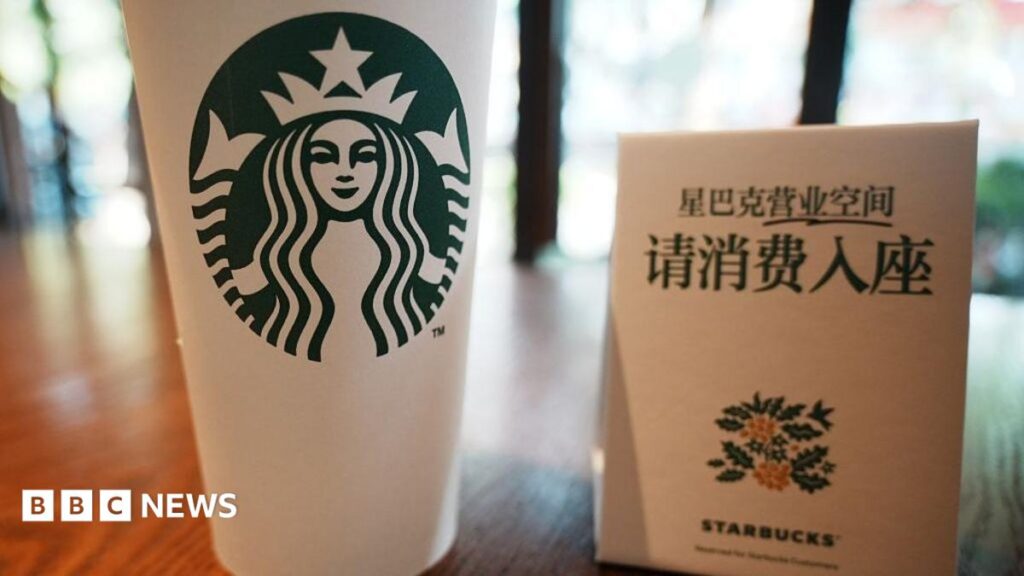
Starbucks China enforces purchase‑required seating policy across all outlets
A new rule taking effect on Thursday will require customers to buy something before they can sit in any of Starbucks’ 8,000 Chinese locations. The company said the change is meant to enhance the “in‑store experience” amid growing competition from domestic chains such as Luckin Coffee.
The policy follows similar moves by Starbucks in other markets. In South Korea, the chain asked patrons to stop bringing large items like printers and laptops into cafés, while in North America it recently ended an open‑door approach that let non‑paying guests use seats and restrooms, citing a need to “prioritise” paying customers.
Ahead of the formal announcement on Wednesday, social media users shared videos of “purchase to sit” signs appearing in Chinese stores. Many Chinese netizens welcomed the shift. One popular Weibo comment read: “Finally, there won’t be peak periods where people are just sitting there not ordering anything, drinking Luckin coffee, playing games and yelling on the phone.” Another user added: “Every time I walk around, there’s nowhere to sit.” A third comment said: “There’s nothing wrong with it. I’d feel awkward sitting there if I didn’t make a purchase. I’d rather leave the seats for those who made purchases and need the seats.”
The new rule comes after a recent controversy in Sichuan, where a Starbucks outlet posted videos of its outdoor chairs and tables chained together, apparently to deter non‑paying sit‑ins.
Since opening its first shop in 1999, China has become Starbucks’ second‑largest market, but the chain has faced increasing pressure from local competitors that offer lower prices and strong app‑based ordering. Luckin’s digital platform emphasizes quick, grab‑and‑go service, challenging Starbucks’ traditional café model that encourages customers to linger. In 2023, Luckin surpassed Starbucks as the largest coffee chain in China.
Last year Starbucks announced it would sell a 60 % stake in its Chinese business as part of a $4 billion (£3.04 billion) deal with investment firm Boyu Capital. In a statement on Wednesday, Starbucks China said it plans to boost staffing levels and upgrade digital systems in its stores to “ensure customers receive timely and warm service even during peak hours.”