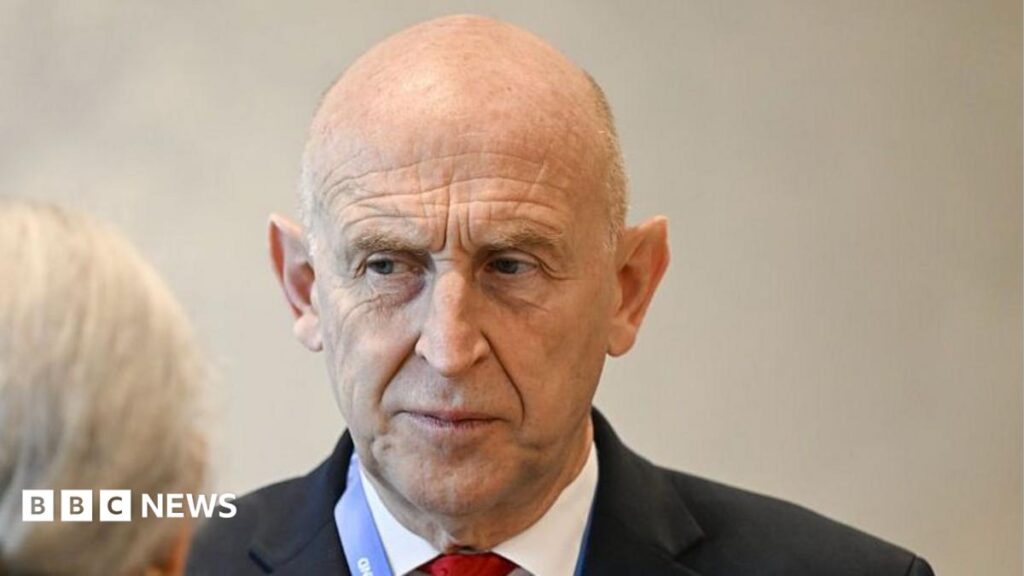
Inflation and borrowing figures highlight chancellor’s budget challenge
John Healey flew early on Wednesday to North East Scotland to unveil new North Sea energy approvals, just as the latest batch of key economic data was released. From high‑level headlines to detailed numbers, the statistics on inflation and public finances lay out the tightrope the chancellor must walk.
Official figures show the national debt has risen above £3 trillion for the first time. The headline inflation rate stands at 3.5 percent and is expected to climb back toward 4 percent in the coming months. Borrowing is outpacing forecasts as spending and interest‑rate costs increase, adding further pressure as Healey prepares his Budget statement for next week.
Healey has pledged to give “breathing space” to households still feeling the strain of the cost‑of‑living squeeze. Yet the public accounts are being squeezed from two sides: rising inflation and higher borrowing costs. While the surge in petrol and diesel prices was anticipated, other underlying price measures have also risen. Higher air‑fare costs and increased prices for computer‑game downloads point to stickier inflation that may become entrenched, suggesting that price rises are not merely transitory.
Capital Economics now projects that the headline measure of inflation could peak at 4.2 percent next year. The Bank of England is closely monitoring services inflation and core inflation, which raises the likelihood of an interest‑rate hike at its next meeting.
The services sector – covering law, banking, retail, hospitality and tourism – accounts for the bulk of UK economic output. The latest inflation reading also triggers automatic upratings to tens of billions of pounds in welfare benefits scheduled for April. By law, payments such as Personal Independence Payment and Carer’s Allowance must rise in line with the September Consumer Price Index. The same data confirm that the Triple Lock will lift the State Pension by 3.9 percent in April. One area of relief is that food‑price inflation has remained largely insulated from the energy shock.
Higher inflation, combined with frozen tax thresholds, will increase tax receipts in cash terms but will also raise the cost of public services, including likely union pay demands. At the same time, UK borrowing costs have risen in step with most advanced economies as the conflict involving the United States, Israel and Iran has intensified.
The decision on the Jackdaw gas field is being viewed as the first of a series of “pro‑growth” announcements ahead of the Budget. While it signals a directional shift, it does not fundamentally alter the trade‑off between providing cost‑of‑living relief and delivering a Budget that satisfies markets and investors.
The gap in borrowing costs has narrowed slightly against other G7 nations, and the IMF has praised the tentative plans to reduce borrowing, giving Healey a platform for his upcoming Budget. The fresh economic data underscore just how difficult it will be to meet those ambitions.