UK launches £2bn Energy Wealth Fund as Treasury estimates missed trillion‑pound oil windfall
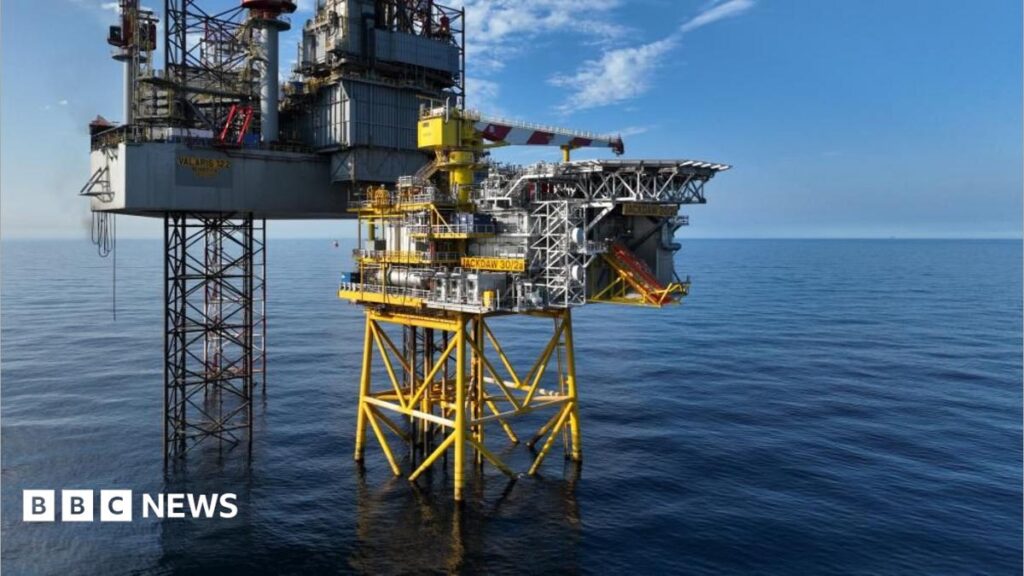
The United Kingdom finally has an oil‑linked sovereign fund. Chancellor John Healey announced the creation of an Energy Wealth Fund on Wednesday, attaching £2 billion of capital from the National Wealth Fund at the same time the Jackdaw gas platform received approval.
Countries that export energy, especially those in the Gulf and Norway, have built multi‑trillion‑dollar reserves from oil and gas revenues. The contrast with the UK has long been a topic of debate among economists. Norway, for example, has accumulated a $2.4 trillion sovereign fund from its North Sea production, prompting the question of where Britain’s equivalent might be, especially as national debt recently surpassed £3 trillion for the first time.
“The proceeds of this oil and gas coming ashore now can be invested for future generations,” Healey said. “If we had done this when North Sea oil was first discovered in the 1980s, we’d have a British sovereign wealth fund now that would be worth probably a trillion pounds.”
For the first time Treasury officials quantified the size of that missing fund. Internal modelling, based on historic North Sea receipts of about £200 billion and assuming they had been invested without withdrawals and grown at a rate similar to Norway’s, produced the “trillion‑pound” figure. An insider explained that the aim is to learn from Norway’s long‑term investment approach rather than copy its exact model.
The missed opportunity is described as a “what if” scenario often raised by critics of policies from the Thatcher era. Some argue that peak oil revenues were spent on tax cuts that funded 1980s garden conservatories, while others say later governments squandered the money on wasteful spending. Norway’s fund, which only began in earnest in 1996, illustrates a different path.
Supporters of Scottish independence have also invoked the idea of a lost oil fund, and some advisers suggested it in the 1970s. In Norway, the fund’s performance is publicly tracked on commuter trains, and about three percent of its value is drawn each year to finance a quarter of the government’s budget. The fund was tapped during the COVID‑19 pandemic and is intended to support the country’s post‑oil economy, a purpose shared by similar Gulf funds.
Britain’s new Energy Wealth Fund will operate differently. While Norway’s fund is required to invest abroad and has benefited from strong returns in U.S. technology stocks, the UK plan emphasizes domestic investment in green energy, which may limit its growth potential. Moreover, UK energy tax revenues are expected to decline as North Sea output falls, although the Jackdaw project and extensions to existing fields could slow that decline.
Norway’s sovereign fund began with an investment of two billion Norwegian kroner thirty years ago and is now worth more than a thousand times that amount. Nobody expects the UK’s £2 billion Energy Wealth Fund to reach £2 trillion by 2056, but the Treasury’s estimate invites reflection on how much could have been amassed had a similar forward‑looking strategy been adopted decades ago.