US Disables Blockade Runner in the Gulf of Oman as Iran Vows to Break the Embargo
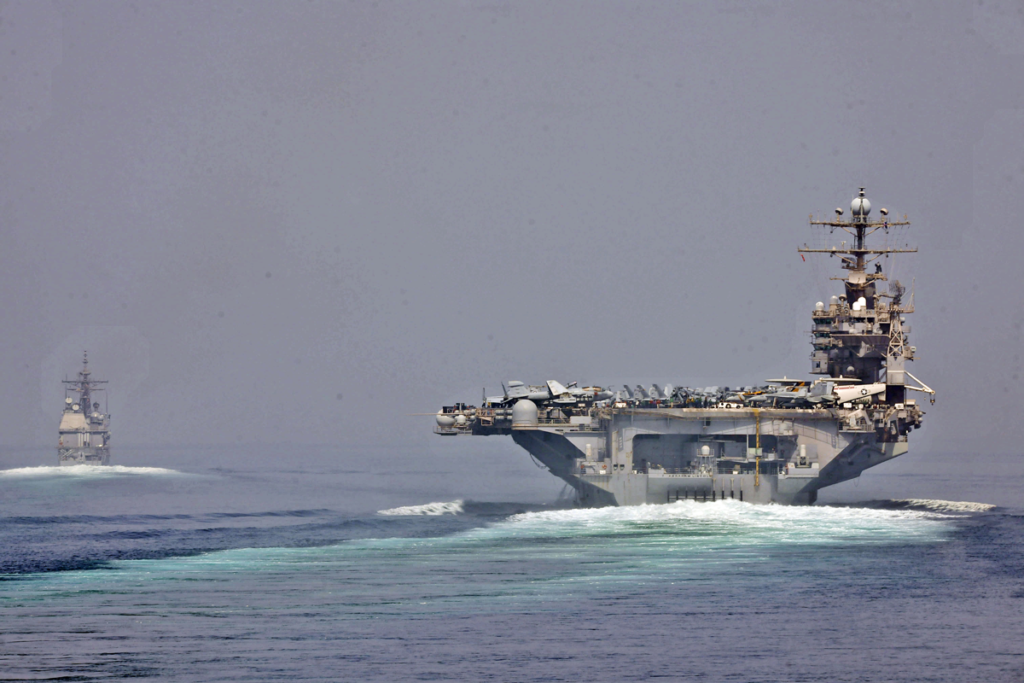
The United States fired on a commercial ship in the Gulf of Oman on Thursday, disabling its propulsion after it tried to sail through the American naval blockade of Iran. Hours later, Tehran answered with a vow of its own: the Strait of Hormuz will stay shut, and the blockade will not be allowed to stand. The exchange, reported by Reuters on Friday, turns a slow economic squeeze into an open test of wills at sea.
A warning shot, not a sinking
United States Central Command said military aircraft launched precision munitions that struck the stern of the Palau-flagged M/V Pacific Archer after it departed the Iranian port city of Bandar Abbas. The strike disabled the ship’s propulsion. The civilian crew was unharmed.
The choice of target matters as much as the strike itself. Washington could have seized the vessel or sunk it. Instead it chose a middle course: enough force to stop the ship, little enough to leave its crew alive and its cargo afloat. That is the language of deterrence, not destruction: it warns every other captain that the price of trying is a dead ship, not a dead crew.
Tehran promises two things at once
Mohammad Mokhber, an adviser to Iran’s Supreme Leader Ayatollah Mojtaba Khamenei, said: “Neither will the Strait of Hormuz be reopened, nor will we allow the blockade to remain in place,” according to Iranian state media. He gave no details of how Iran plans to break the embargo.
The two halves of that sentence pull in opposite directions. Keeping Hormuz shut is a threat aimed at the world, since the strait carries a large share of seaborne oil. Breaking the blockade would require Iranian forces to challenge American warships at sea, something Tehran has avoided doing directly so far. Mokhber’s words are therefore a signal to two audiences: to the Iranian public, that the leadership will not accept the blockade quietly, and to the outside world, that the cost of the blockade could still rise.
Why the blockade is now the centre of the war
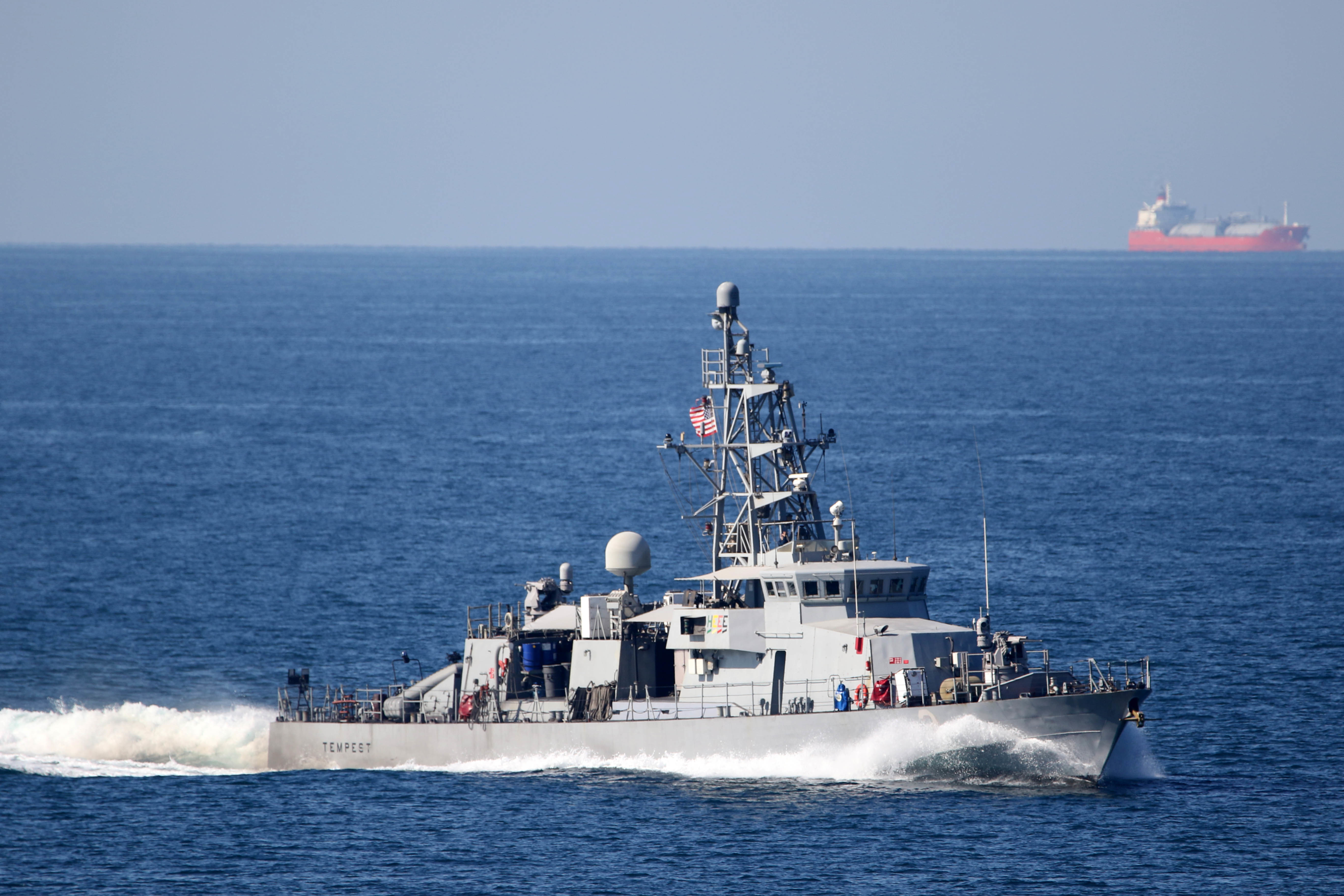
The United States reimposed its naval blockade on Iranian ports in July, and earlier this month it announced Task Force Iron Gate, a push to restrict the movement of weapons and sanctioned materials across Iran’s land borders and the Caspian Sea. The strategy is strangulation rather than invasion.
That makes the Pacific Archer the first real test of the policy. A blockade that is never enforced is only a press release, and a blockade enforced too harshly can become the incident that drags other countries in. Every ship that tries to run it forces Washington to decide, in public, how far enforcement goes.
What happens next
Three things are worth watching. First, whether other ships try the same route, and whether they are stopped the same way. Second, whether Iran moves from words to action around Hormuz, where even a partial closure would send oil prices and shipping insurance sharply higher. Third, whether the United States widens enforcement to the land routes covered by Task Force Iron Gate.
For now, the pattern is clear: Washington is enforcing its blockade with live fire, carefully aimed, while Tehran answers with words, carefully chosen. The question is how long that balance holds when each side has promised the other it will not back down.
Source: Reuters