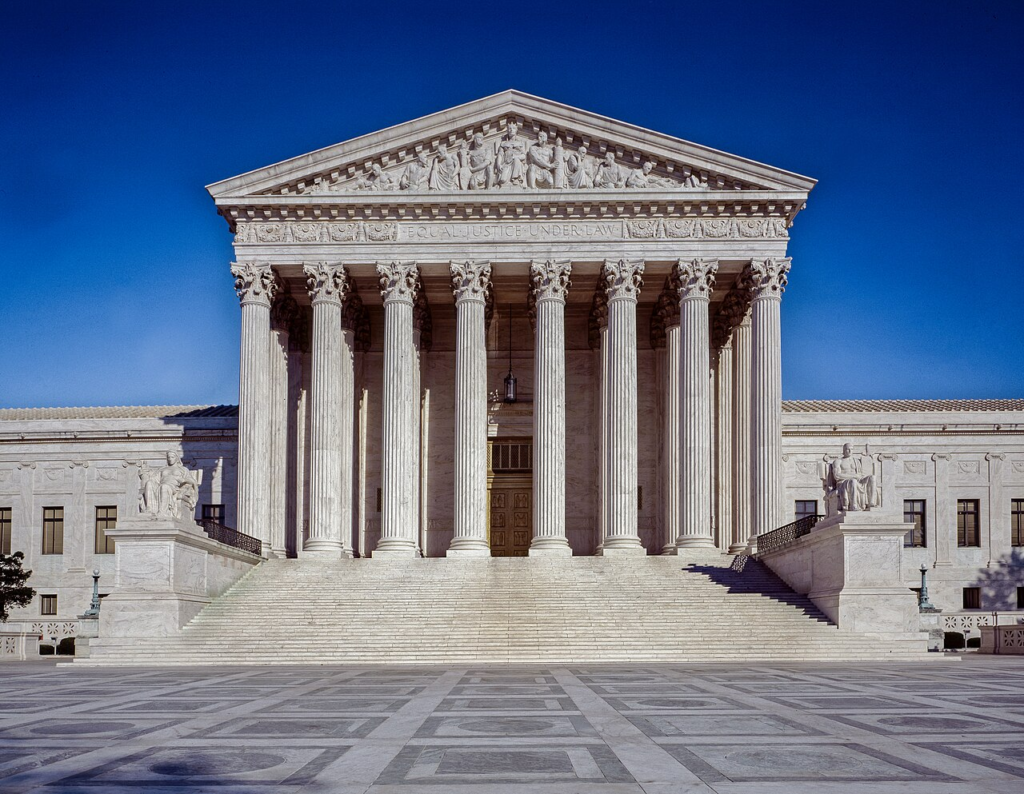
Supreme Court to Decide the Fate of AR-15 Bans in Its Biggest Gun Case in Years
Fourteen years after a gunman killed 20 first graders and six educators at Sandy Hook Elementary School in Newtown, Connecticut, the United States Supreme Court is about to decide whether states and cities may ban the kind of rifle used in that massacre. On Wednesday, December 2, the justices hear arguments in the biggest Second Amendment case in years, a consolidated challenge to the bans in Connecticut and Cook County, Illinois. A decision expected in 2027 could either lock in the bans in several states or strike them down, redrawing the limits of gun regulation nationwide.
What the court will decide
The question is narrow on paper and enormous in practice: do the Second and Fourteenth Amendments protect the right to own AR-15 platform rifles and similar semi-automatic weapons? The challengers say yes. They describe the AR-15 as the paradigmatic American rifle and the most popular rifle in the country, a point the Supreme Court itself made last year, noting the weapons are widely legal and bought by many ordinary consumers. Connecticut and Cook County, which includes Chicago, say the bans target weapons with a military lineage, noting the AR-15’s ties to the M16 and the long history of regulating unusually dangerous arms.
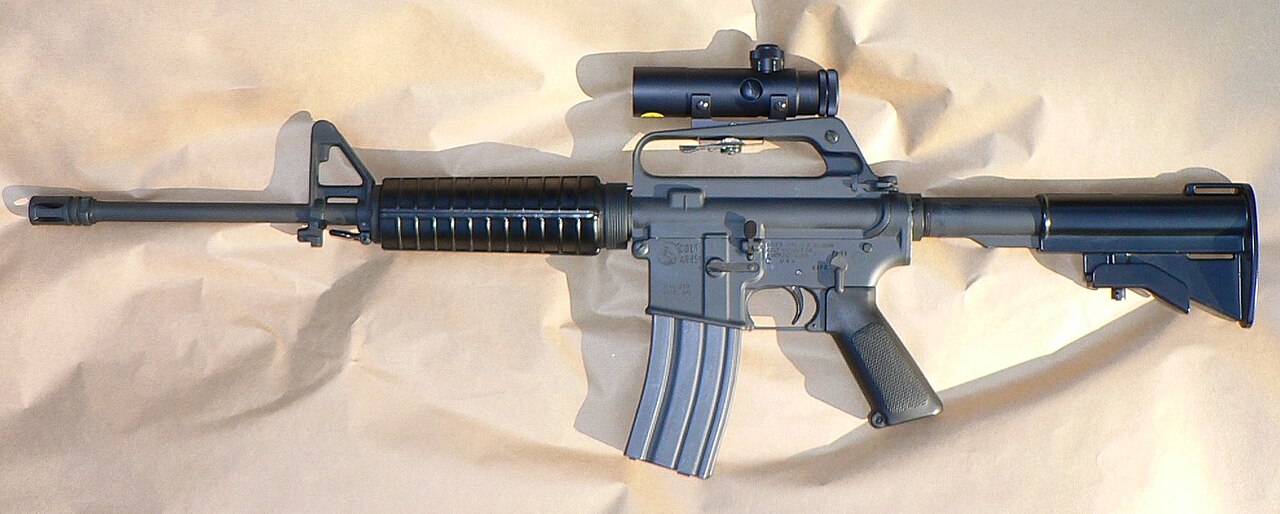
A Colt AR-15 Sporter SP1 Carbine, first sold in 1977. Photo: M62, Wikimedia Commons, CC BY-SA 3.0.
The common use test
Much of the argument will turn on a phrase from a 2008 decision by the late Justice Antonin Scalia, who wrote that the Second Amendment protects weapons in common use. The challengers invoke those words 56 times in their main brief. The bans’ defenders answer with the court’s 2022 decision in New York State Rifle and Pistol Association v. Bruen, which struck down a strict New York carry permit rule but also pointed courts toward the historical tradition of gun regulation. Connecticut and Cook County argue that tradition has always allowed governments to restrict weapons considered dangerous and unusual, and that the AR-15 fits that description because of its firepower and its record in mass shootings. Gun control advocates note that six federal appeals courts have upheld assault weapon bans, covering about one in three Americans.
The twist that nearly derailed the case
The case almost never reached argument. Last month, attorneys for the lead Cook County plaintiff, Cutberto Viramontes, asked without explanation to remove him from the case. Cook County asked the justices to dismiss the case as moot. The court declined: the case was consolidated with a challenge to Connecticut’s ban, which would continue on its own. The other Cook County plaintiff, Christopher Khaya, does not want an AR-15 at all but a different rifle, an IMI Galil similar to an AK-47, a wrinkle for the court’s reasoning.
What a ruling would mean
The court’s 6-3 conservative majority has expanded gun rights steadily since 2008, first recognising an individual right to own a handgun at home, then to carry one in public. At least four conservative justices have signalled scepticism toward the bans, which means the bans’ defenders need to hold at least two of them alongside the court’s three liberals to reach a five vote majority. The Trump administration has sided with the challengers, with the Justice Department filing a brief against categorical bans and Solicitor General John Sauer given time to argue. If the court strikes the bans down, similar laws in other states, including California, New York and Massachusetts, would fall with them. If it upholds them, the bans stand as the outer boundary of state power, and the fight returns to legislatures and lower courts.