Cabinet Approves Sugar Sector Deregulation to Meet IMF Benchmark
The federal cabinet has approved the deregulation of Pakistan’s sugar sector, ending decades of government control over cane prices, production and trade and clearing a long-delayed condition set by the International Monetary Fund. The cabinet approved the National Policy for Deregulation of Sugar Sector on Tuesday, 24 November 2026, through circulation, Dawn reported.
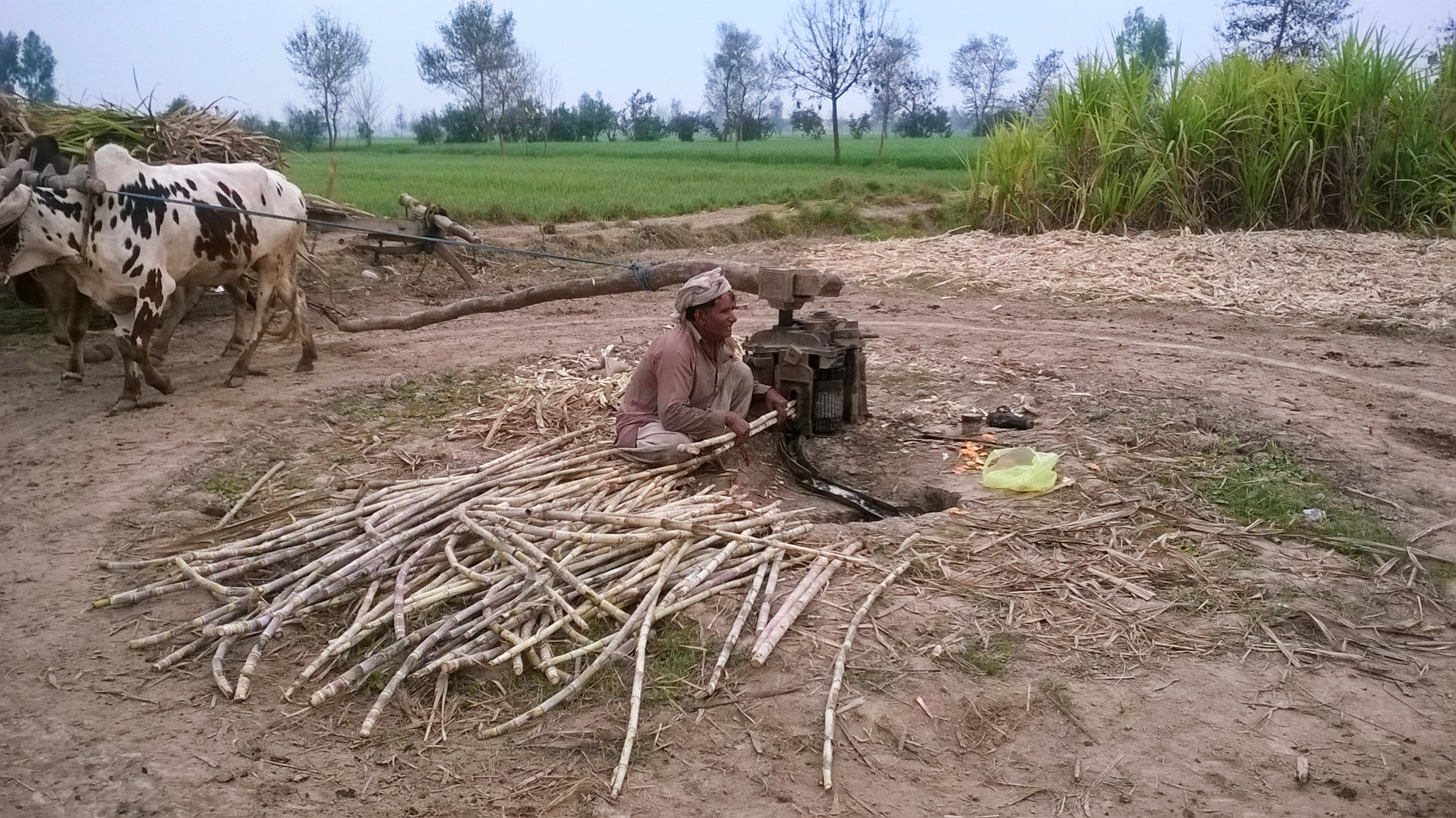
Photo: Sugarcane in Pakistan. Image by Saad Mursaleen via Wikimedia Commons, licensed under CC BY-SA 3.0.
What deregulation changes
The policy hands sugarcane prices, sugar production and imports and exports to market forces. Export subsidies end completely, government price controls end, and sugar can move freely between provinces for the first time. At the input stage, restrictions on planting zones and cane varieties are gone, so growers can sell their crop to any buyer and mills can sell their product freely. At the processing stage, there will be no restriction on setting up new mills or approving new capacity, and millers can choose their raw material and production levels. Imports and exports move to a predictable published mechanism, and transitional arrangements cover the crushing season already under way. The policy also encourages ethanol blending. The government keeps one lever: the right to hold buffer stocks of sugar.
Why the IMF deadline mattered
Pakistan had been in breach of the IMF’s structural benchmark on sugar since June 2026, after missing the 30 June deadline to adopt a national sugar policy. Approval was mandatory before the Fund would schedule its executive board meeting, now set for 11 December. That meeting is due to consider about $1 billion under the $7 billion Extended Fund Facility and about $210 million under the $1.4 billion Resilience and Sustainability Facility, taking total disbursements under the two arrangements to about $5.7 billion. The Fund reached staff-level agreement on the fourth EFF review and the third RSF review on 7 October. It stayed closely involved throughout, proposing revised terms of reference in July, fine-tuning the draft again on 1 October and insisting that Sindh’s agreement was necessary.
The Sindh holdout and the PM’s recusal
Approval stalled for months because Sindh effectively vetoed the draft, even though the other three provinces had already agreed. After hectic backdoor negotiations, Sindh cleared the policy on 21 November after securing certain amendments, and the industries ministry says all four provinces have now agreed to implement it. The policy was finalised by a ministerial committee led by Power Minister Awais Leghari, with the finance, food security and economic affairs ministers, the prime minister’s adviser for industries, the FBR chairman, ministry secretaries and provincial chief secretaries. Prime Minister Shehbaz Sharif recused himself from the sugar-sector decisions because his immediate family owns sugar businesses, informed sources told Dawn.
What it means for growers and shoppers
For growers, the policy keeps safeguards: third-party validation of weighing scales, a sucrose testing framework, interest on late payments of cane dues and the sugarcane cess for research are all written in. For shoppers, the honest answer is that nobody knows yet: the market will now set the price, and the first test comes in the current crushing season, when mills are already buying cane. The decision also follows the government’s approval, just days earlier, of sugar exports of more than 400,000 tonnes, in addition to 200,000 tonnes exported a few months ago, so the deregulated market starts from a position of tight supply. If the market works, farmers get paid fairly and on time; if it does not, the buffer stock is the government’s only remaining tool.
Sources: Dawn, Dawn, Feature Pakistan, Khabarwire, Thursday Times