Sindh Fixes Flour at Rs138 a Kilo as Mills Get Wheat Direct, but Shops Are the Real Test
The Sindh government has fixed the official price of wheat flour at Rs138 per kilogram, ending a weeks-long standoff with flour millers that had pushed retail prices far above the official rate in Karachi and Hyderabad. Food Minister Makhdoom Mehboob-uz-Zaman announced the decision in Karachi on Tuesday after meeting a delegation of the Flour Mills Association, saying imported wheat and stocks from the Pakistan Agricultural Storage and Services Corporation (Passco) will now go directly to flour mills.
The province is also scrapping the old system of frequent grain deliveries to mills and has set aside a Rs17 billion subsidy to keep the arrangement running. The minister said 120 officers have been told to enforce the new rate, with action against hoarders and profiteers.
A deal that took weeks of brinkmanship
The agreement only came after talks broke down. Millers had offered flour from government wheat at Rs146 per kg while the government held out for Rs140, and Karachi mills warned of a shutdown as imported wheat piled up at the port while mills in interior Sindh waited for stocks that never arrived. In the open market, flour in Karachi touched Rs150 per kg, and consumers in Hyderabad were paying as much as Rs175 per kg.
The provincial cabinet had already tried twice. On 7 October it approved releasing government wheat to roller mills and chakkis at Rs5,000 per 40kg from 15 October, then on 3 November it cut the release price to Rs4,500 per 40kg. But the Food Department never issued the payment challans mills needed to collect their November quota, and the October quota lapsed untouched, leaving traders to profit from the shortage. The Rs138 fix is the third attempt at the same promise, and its credibility depends on the wheat actually moving this time.
What Rs138 means at the kitchen table
At the official rate, a 20kg bag of flour costs Rs2,760. The Sensitive Price Index for the week ending 29 October put the same bag at up to Rs3,540 in Karachi, a gap of Rs780 that falls entirely on households. Even wholesale wheat has become cheaper, falling from Rs140 to Rs130 per kg after imports arrived, yet retail flour has barely moved: flour No 2.5 still sells for Rs170 to Rs180 per kg against a mill price of Rs156.
The gap shows up at the tandoor as well. Chapati still costs Rs20 and naan Rs30 to Rs35, unchanged despite cheaper wheat, with tandoor operators pointing to LPG at Rs500 to Rs550 per kg. So far the relief has stopped at the mill gate.
The test now is enforcement, not announcement
Direct supply removes one layer of middlemen, and the subsidy gives the government a lever it did not have while wheat sat in godowns. But Sindh’s official flour prices have been routinely ignored at retail before, and the province’s own record on this file is poor: two cabinet decisions in a month went unimplemented. The next week will tell. If retail flour in Karachi and Hyderabad falls towards Rs138, the deal works. If it stays near Rs150 or higher, the announcement joins the earlier ones.
There is also a supply question beyond Sindh. The government plans to import 750,000 tonnes of wheat, but market estimates put the shortfall above two million tonnes before the new crop arrives between March and May. Until then, the Rs138 rate is a holding operation, judged in the bazaar, not the press conference.
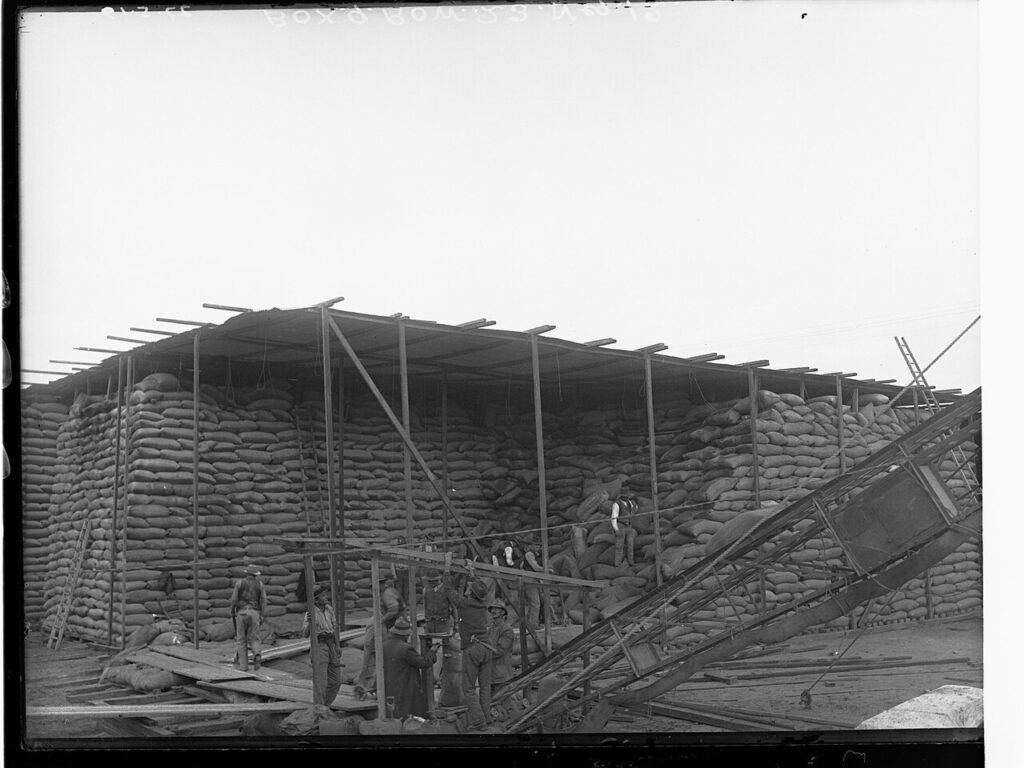
Photo: Workers loading wheat sacks at a flour mill. Credit: State Government Photographer, via Wikimedia Commons (CC0).
Sources: Dawn, Business Recorder, Dunya News, 25 November 2026.