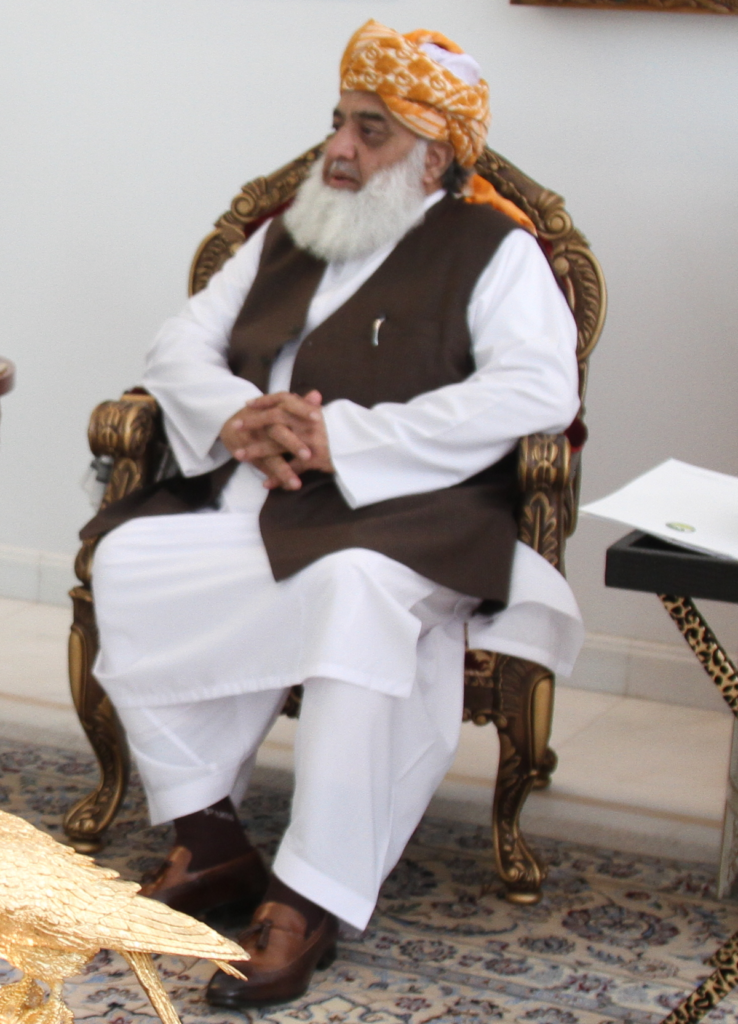
Fazlur Rehman Calls Lahore Blockade a State Siege as Police Lift Barricades After Hours
Jamiat Ulema-e-Islam-Fazl chief Maulana Fazlur Rehman spent Tuesday behind police barricades in Lahore, unable to leave his residence to address a lawyers’ seminar, in an episode he called a state siege and his party has now taken to the Lahore High Court. The barricades came down by evening, but the confrontation has deepened the strain between the government and one of the country’s main opposition parties.
What happened in Lahore
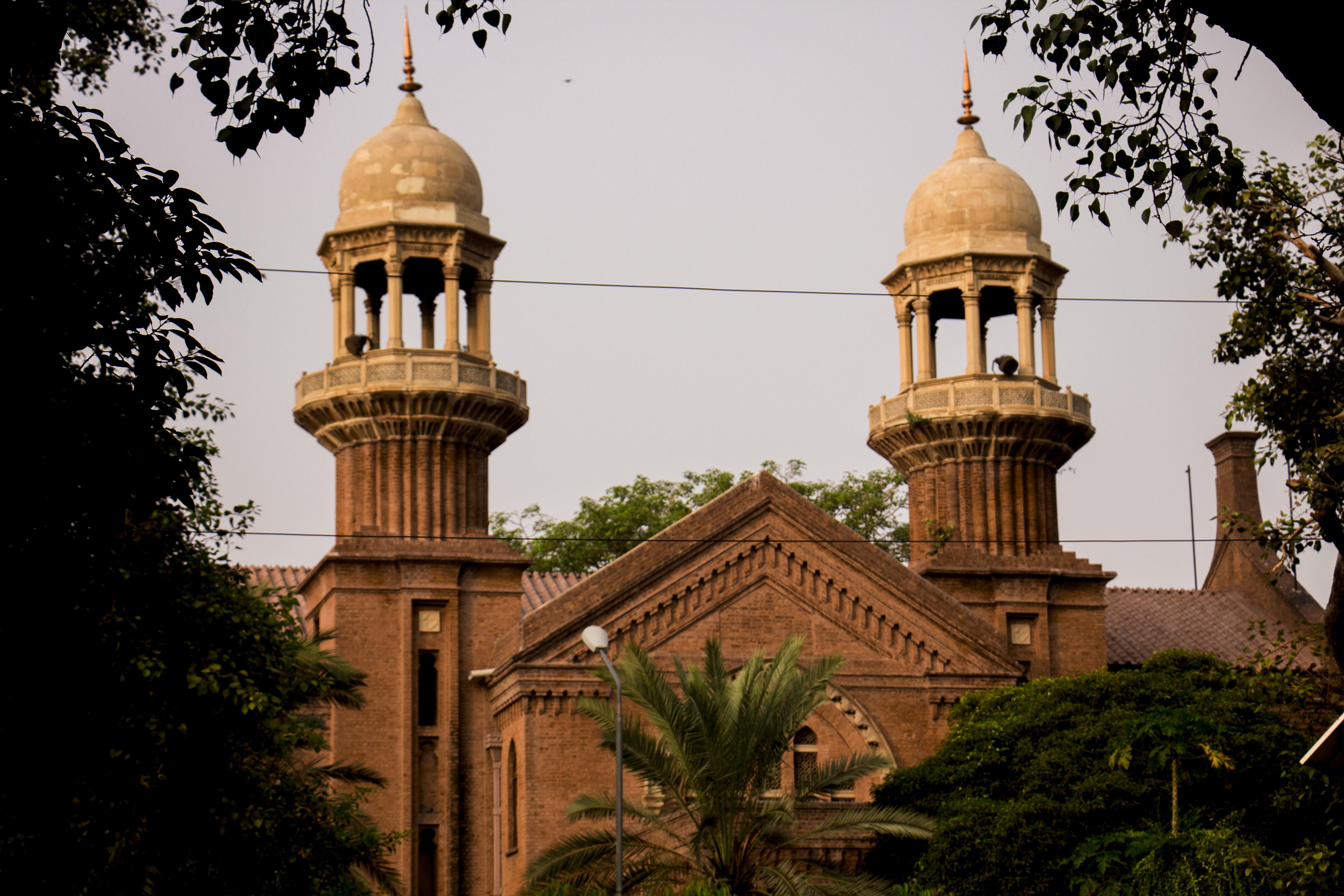
Fazl reached Lahore on Monday night and was due to address a seminar on Tuesday at the invitation of the Lahore High Court Bar Association. By morning, police had deployed a heavy contingent outside his residence in Thokar Niaz Baig and placed shipping containers at the main entrance of the housing society. In a video message recorded during the blockade, Fazl said he was under a state siege and that roadblocks and checkpoints across Lahore were preventing him from attending a multiparty seminar. He thanked the bar association for the invitation and said peaceful citizens were being stopped from entering an environment of intellectual discussion. By around 7pm, police began removing the barriers and told him he was free to leave. He decided to stay in Lahore for the night and addressed the lawyers through a video link instead. Among those who attended the seminar were opposition leaders Mehmood Khan Achakzai and Allama Raja Nasir Abbas, PTI MNA Asad Qaiser and veteran lawyer Ali Ahmed Kurd.
The court petition and Section 144
JUI-F lawyer Abrar Hussain filed a petition in the Lahore High Court challenging the confinement. The petition alleged around 3,000 police personnel had been deployed outside Fazl’s residence, effectively confining him to the premises, and said police failed to produce any legal order authorising the restriction when asked. The petition has yet to be fixed for hearing. Separately, the Lahore district administration imposed Section 144 in the city for three days, from 24 to 26 November, banning public gatherings and unlawful assemblies. JUI-F Senator Kamran Murtaza said preventing the head of a major political party from leaving his residence ran contrary to fundamental civil liberties, and that no formal detention order was provided despite repeated demands. A city police officer confirmed the barriers were being removed by evening. According to Murtaza, police maintained their presence was aimed at preventing Fazl from attending the bar event.
Why this matters
The episode comes days after state security was withdrawn from Fazl and his family, a move the party called intimidation. Taken together, the two incidents suggest the government is using administrative pressure against an opposition leader who has become a vocal critic, from the new provinces debate to the treatment of jailed PTI founder Imran Khan. The use of Section 144 alongside a police cordon also shows how public order powers can stop a political speech without any formal detention order, which is the gap the Lahore High Court petition seeks to test. For the government, the risk is that each such episode hands the opposition a fresh grievance and a court case at the same time.
What happens next
The immediate test is the JUI-F public gathering planned in Sargodha on 26 November. Fazl has said the party will go ahead with it and has alleged a crackdown across the Sargodha division, with shops sealed, businesses shut and workers arrested in Bhakkar, Mianwali, Khushab and Sargodha. Whether the gathering goes ahead peacefully, and whether the Lahore High Court takes up the petition, will show whether Tuesday’s blockade was a one-day tactic or the start of a wider confrontation.
Sources: Dawn, Express Tribune and The Nation