ECC Approves Another 416,000 Tonnes of Sugar Exports as Punjab Mills Delay Crushing
ISLAMABAD: The Economic Coordination Committee (ECC) on Friday approved the export of another 416,000 tonnes of sugar, the third such permission in four months, taking this season’s total to 724,000 tonnes. The decision came as farmers in Punjab were still waiting for most sugar mills to start crushing the new cane crop.
The approval covers 400,000 tonnes, plus 16,000 tonnes for Sindh. The meeting was chaired by Finance Minister Muhammad Aurangzeb. The committee said the export would safeguard farmers’ cane prices, but the Finance Ministry did not disclose the quantity in its own announcement. Food Security Minister Rana Tanveer Hussain confirmed the figure.
Crushing has barely started
The decision sits uneasily next to the cane fields. As of 18 November, only one of Punjab’s 47 sugar mills had begun regular crushing, despite government orders to start the season. Several mills opened their gates briefly last week, took limited cane, and then suspended operations. Farm representatives say no effective action has been taken against mills that ignored the orders.
The only mill reported to be buying cane offered less than Rs350 per maund, below growers’ production cost. Each day of delay cuts the weight and value of standing cane and pushes back wheat sowing, which follows the cane harvest in much of Punjab.

Who the export actually helps
The mills’ case is built on surplus. The Pakistan Sugar Mills Association has sought permission since February to export one million tonnes, saying about 1.3 million tonnes of surplus stock remained unsold. The Food Security Ministry had cleared 600,000 tonnes on 18 November; the ECC approved 400,000. Millers have earned $1.6 billion from exports over the past ten years, according to the government’s own draft policy paper.
That record shows where the benefit lands first. The surplus being exported is last season’s stock, held by mills. The farmer with standing cane is not selling into an export market. He is waiting for a mill gate to open at a price that covers his cost. The official reason for the export, protecting farmers through better prices, only reaches him if crushing starts on time and at a fair cane price. Neither has happened yet.
A sector the government admits is distorted
The draft policy paper behind the decision is unusually frank. It says the sugar sector remains heavily constrained by government intervention, including zoning rules, administered prices and discretionary trade restrictions. Those policies have distorted market incentives and left mills running at roughly 60 percent of installed capacity. Pakistan produces about 6.13 million tonnes of sugar a year, the world’s seventh largest refined sugar producer, with 79 mills.
Deregulating the sector is also a condition of the International Monetary Fund programme, and it has not happened. The Express Tribune reported that the ECC approved this export without circulating the summary among the relevant ministries, a reminder of how discretionary the process still is.
What to watch next
Three things will show whether it works as advertised. First, whether Punjab enforces its crushing orders and mills start buying cane at a price growers can live with. Second, whether the retail price of sugar stays steady through the winter, since 724,000 tonnes of exports in one season can matter for domestic supply if the new crop disappoints. Third, whether the government follows through on deregulation, or keeps managing the sector one export permission at a time.
For now, the contradiction stands. Sugar is leaving the country while the cane that would replace it is still standing in the fields, and the farmers who grew it are being offered less than it cost them to produce.
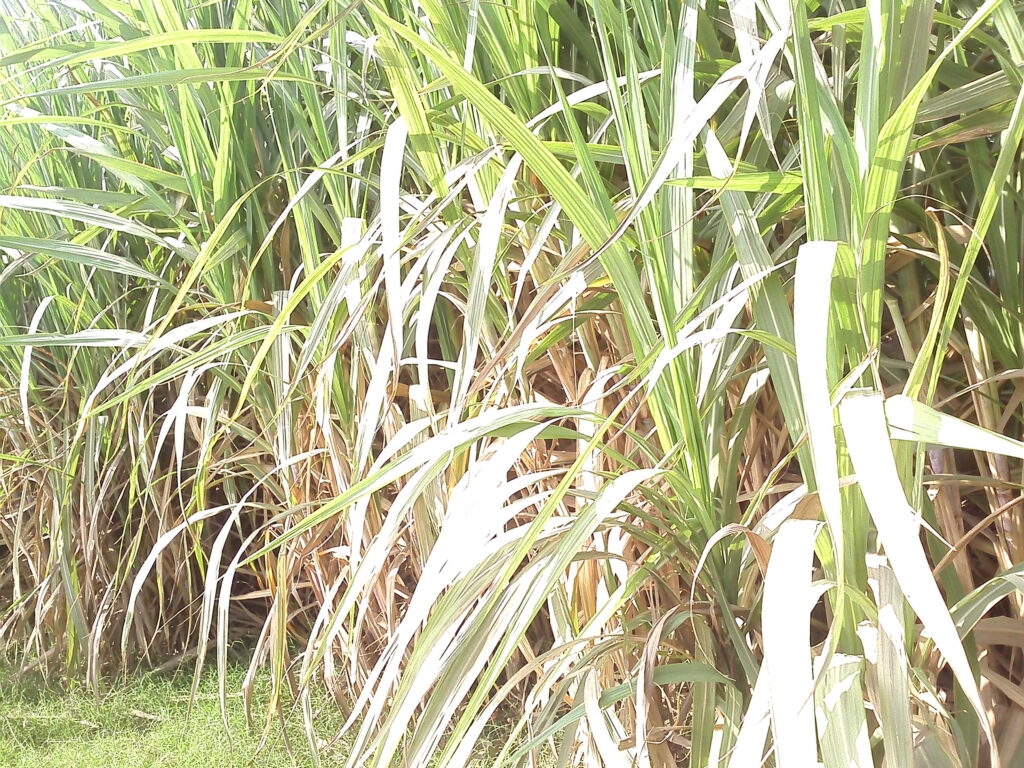
Featured image: A sugarcane crop in Pakistan. Photo: Rabia Tahir, Wikimedia Commons (CC BY-SA 3.0).
Sources: The Express Tribune, Profit (Pakistan Today), ChiniMandi, 21 November 2026.