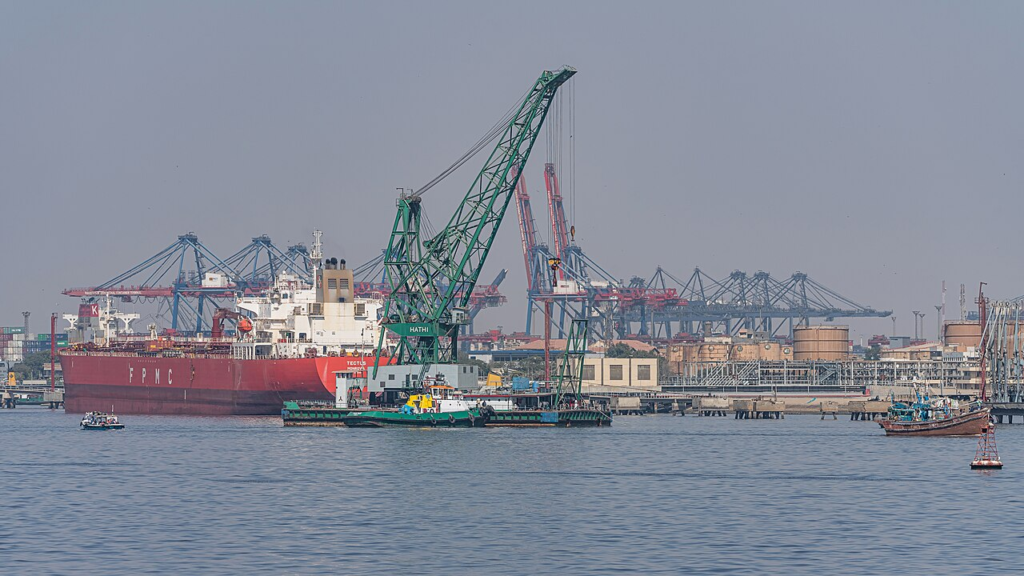
Pakistan and Turkiye Launch Offshore Oil and Gas Hunt After 18 Years as Oruc Reis Reaches Karachi
After an 18 year gap, Pakistan has resumed the search for oil and gas beneath its offshore waters. Turkiye’s seismic research vessel Oruc Reis arrived at Karachi Port on Thursday after a 19 day voyage, and a welcome ceremony on Friday marked the start of survey work in the Indus and Makran basins. The plan is to map the seabed first, read the data, then decide where to drill, with the first drilling targeted for late 2027.
For a country that spends heavily on imported fuel, even a successful survey is only a first step.
What the survey will actually do
The Oruc Reis will collect three dimensional seismic data across 670 square kilometres in the Eastern Offshore Indus-C Block over about two months. Two dimensional surveys covering 2,353 kilometres of lines are planned for the Makran blocks, and data acquisition and interpretation should finish within six months.
Seismic surveying does not find oil. It maps rock formations deep under the seabed, showing where oil and gas might be trapped. Only drilling can confirm a find, which is why the survey data will decide whether the planned 2027 drilling goes ahead, and where the drill bit goes.
Pakistan Petroleum Limited, which ran earlier surveys in the area, estimates the Indus-C Block could hold between 1.5 trillion and 2 trillion cubic feet of gas. That is an estimate from old data, not a proven reserve, and the new survey is meant to sharpen it.

Who is running the project, and who pays
The Turkish Petroleum Overseas Company, a subsidiary of the Turkish Petroleum Corporation, operates the Indus-C Block with a 25 percent interest. Pakistan Petroleum Limited holds 35 percent, the Oil and Gas Development Company 20 percent, and Mari Energies the remaining 20 percent. The partners have committed around 80 million dollars in initial exploration spending over three years.
The structure matters because offshore drilling is expensive and risky: a single deepwater well can cost tens of millions of dollars and still come up dry. Sharing the cost across four partners, with Turkiye bringing the vessel and the expertise, makes the gamble affordable.
Why this matters beyond the headlines
Welcoming the vessel, Deputy Prime Minister Ishaq Dar put Pakistan’s untapped natural wealth, including minerals, hydrocarbons and gemstones, at between 8 trillion and 10 trillion dollars, calling it the most conservative estimate. He set that against total government debt of about 100 billion dollars.
A resource estimate is not money in the bank. Minerals and offshore gas only become wealth after years of exploration, billions in investment, and successful extraction. The last major offshore attempt, the Kekra-1 well in 2019, ended dry after high hopes.
Even so, the context has changed. Turkiye already ran a similar mission off Somalia, so Pakistan is joining a partner with proven capability, not hiring a ship for a one off survey.
What happens next
The next six months are about data. If the seismic results look promising, the partners will pick drilling sites for late 2027. If not, the project will stall quietly, as offshore campaigns often do. The real test is not the ceremony at Karachi Port. It is whether that first well finds gas.
For ordinary Pakistanis, the payoff, if it ever comes, is years away: domestic gas would ease import bills and power shortages, but only after discovery, appraisal, development and pipelines. What the arrival of the Oruc Reis does today is reopen a door shut for 18 years.
Sources: Dawn, The Express Tribune, The Nation