Petrol Falls to Rs328 in Tenth Straight Cut as Daily Pricing Takes Over
Fuel got cheaper again on Tuesday, but only just. Petrol now sells at Rs328 a litre and high-speed diesel at Rs358, after the government cut both by Rs2 a litre in a notification issued late on Monday night. It is the tenth cut in a row, yet small enough that most motorists will barely notice it at the pump.
What changed at the pump
According to the Oil and Gas Regulatory Authority, petrol falls from Rs330 to Rs328 and diesel from Rs360 to Rs358, effective from Tuesday, 17 November. Petrol powers private cars, rickshaws and motorcycles, while diesel runs trucks, buses, farm machinery and generators, so a change in either price reaches far beyond the filling station. The cut continues a slide that began after prices spiked during the Middle East conflict earlier this year, when diesel hit a record Rs520.35 a litre and petrol peaked at Rs458.41 in early April.
Why the cut is only Rs2
The modest size of the cut has a straightforward explanation: taxes. The government still collects Rs114 a litre in taxes and duties on petrol and Rs100 a litre on diesel, so a large share of what drivers pay never moves with the oil market. A second factor is the arrangement announced on 2 November under which oil refineries contribute to the petroleum levy, bearing a cumulative impact of Rs15 billion over 30 days. That contribution allows a Rs14.71 reduction in the petrol price at the consumer end, according to the government, but it is spread across the month rather than delivered in one go.
Daily pricing is the bigger change
The more important shift is not the Rs2 but how prices are now set. Since 17 July the government has revised fuel prices on a near-daily basis, and the cabinet decided that the regulator, OGRA, will set prices daily in line with international market trends. Before that, prices were revised weekly from early March, and fortnightly before that. OGRA has also begun publishing daily fuel prices on its website. For consumers, daily pricing means smaller but more frequent changes. For the All Pakistan Petrol Pump Owners Association, it means the opposite of convenience: the association has asked for monthly revisions instead, arguing that frequent changes cause dealers serious inventory losses.
Who actually feels the difference
For a motorcyclist filling a small tank, Rs2 a litre saves a few dozen rupees, money that is welcome but not life-changing. The relief matters more in aggregate: transporters, farmers and small businesses that buy fuel by the hundred litres feel each cut in their operating costs, and diesel cuts feed slowly into the prices of goods moved by road. The government is also running the Prime Minister’s Fuel Relief Scheme, launched on 17 September, which subsidises fuel for motorcycles, rickshaws and vehicles of up to 800cc. What the tenth cut does not do is change the structure: as long as taxes make up more than a third of the pump price, global oil movements will only ever move the retail price by a fraction.
What to watch next
Two things will decide where prices go from here: the daily review, which can bring another revision as soon as tomorrow if international markets move, and the refinery arrangement, which runs for 30 days from 2 November and will need a decision on what replaces it. For now, the direction is down, the steps are small, and the system that sets the price has changed more than the price itself.
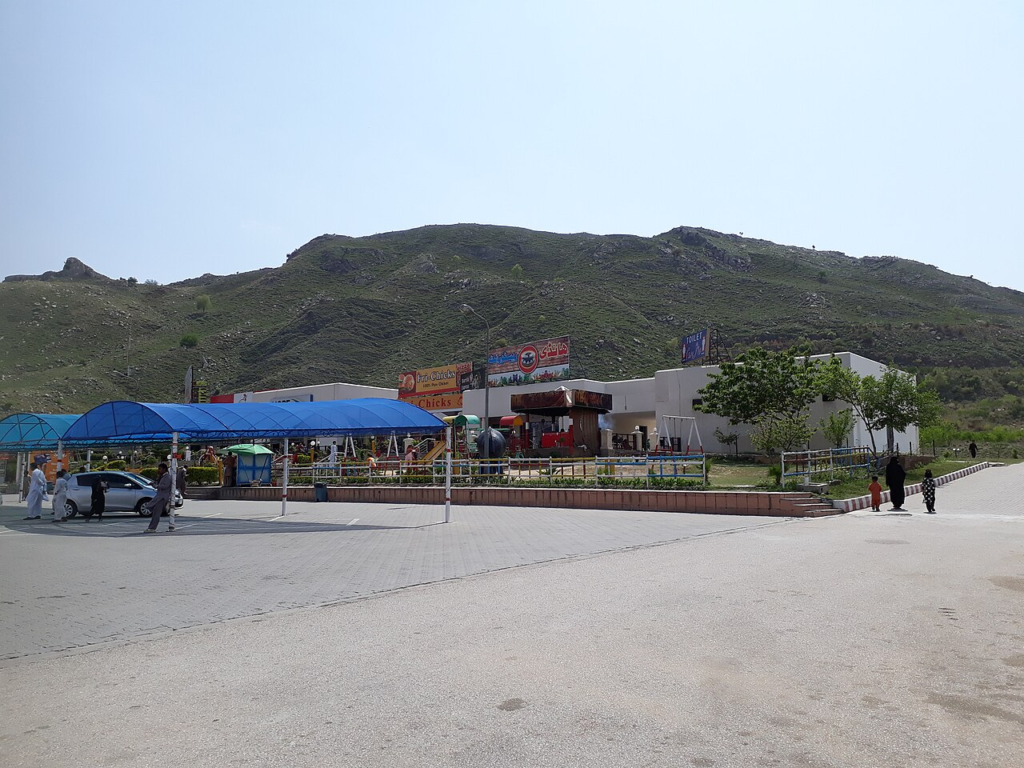
Featured image: A service station on the M-2 motorway in Pakistan. Photo: King Eliot, CC BY-SA 4.0, via Wikimedia Commons.
Sources: Dawn (https://www.dawn.com/news/2044962/govt-reduces-petrol-diesel-prices-by-rs2-per-litre); The News (https://www.thenews.pk/story/1427144-petroleum-rates-in-pakistan-today)