
Mamdani Disbands NYPD Strategic Response Group, Fulfilling Key Campaign Promise
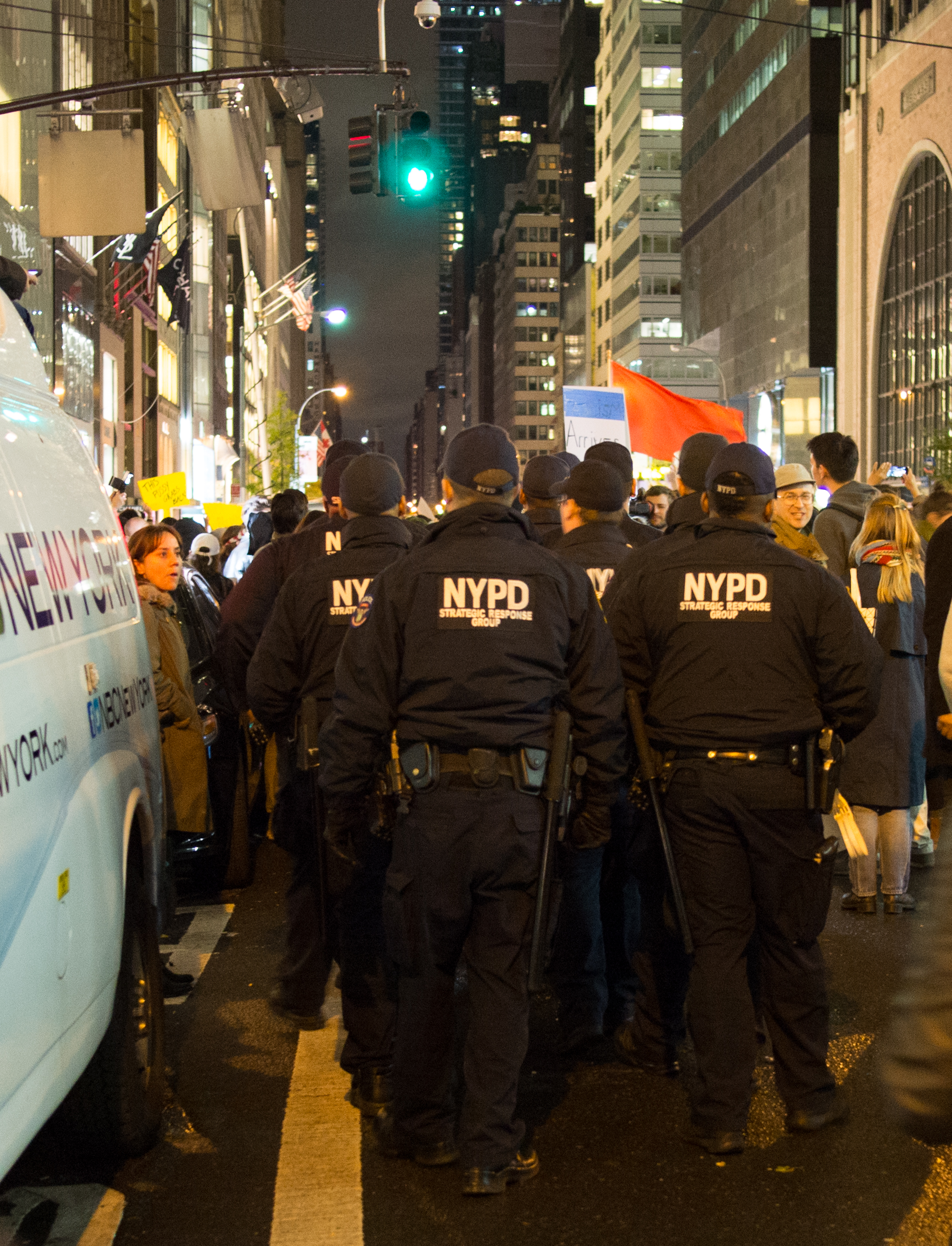
New York City Mayor Zohran Mamdani has disbanded the New York Police Department’s Strategic Response Group, the controversial unit that policed protests and handled counterterrorism work, fulfilling one of the central promises of his 2025 mayoral campaign. The announcement came on Monday alongside NYPD Commissioner Jessica Tisch.
“During our campaign, I promised New Yorkers that we would disband the Strategic Response Group and separate counterterrorism from protest response, and today we are delivering on that promise,” Mamdani said in a video statement announcing the change.
A promise kept after months of pressure
The disbanding had been expected for days. City Hall confirmed last week that the administration planned to break up the unit, and Mamdani said on Friday that an announcement was coming soon. The move had been under development since January, but it arrived after months of criticism from some of the mayor’s most left leaning supporters, who argued he had not moved fast enough on police reform.
Mamdani kept Tisch in her role from the previous administration, a decision that drew ire from some of his allies. The joint announcement signalled the reform has the department’s backing.
What replaces the SRG
The unit’s counterterrorism work will not disappear. Its responsibilities, including heavy weapons deployments at critical infrastructure, will be consolidated within the NYPD’s Intelligence and Counterterrorism Bureau. What changes is who handles protests.
Protest response will now be split between two new bodies. A civilian led Community Dialogue and De-escalation Division in the Mayor’s Office of Community Safety will handle demonstrations through dialogue and engagement. The division will have no weapons and no arrest powers. Alongside it, the NYPD will create a First Amendment Support Team of 30 uniformed officers trained in communication and de-escalation, plus a new Patrol Support Division staffed with vetted officers.
The reforms also ban some of the NYPD’s most criticised protest tactics. Kettling, in which officers surround a group and physically restrict it to one area, is now formally banned, along with the use of long guns, tear gas and pepper spray at protests. The administration said the changes need no extra funding and will not change NYPD headcount.
Why the unit was controversial
The Strategic Response Group was created in 2015 with a counterterrorism focus, but it was frequently deployed to protests, where it drew allegations of excessive force and militarised policing. Scrutiny peaked during the 2020 Black Lives Matter demonstrations, when a city investigation found the NYPD had used excessive force against demonstrators and said the SRG had played a central role.
The unit, around 500 officers strong, also generated a disproportionately high number of complaints to the Civilian Complaint Review Board. For his supporters, it tested whether his campaign promises would survive City Hall. Mamdani has also endorsed the CURB Act, a City Council bill from Councilmember Chi Osse that would stop the city recreating the SRG under a different name.
What happens next
The real test is the next large protest. The new civilian division has no arrest powers, so if a demonstration turns violent, officers from the First Amendment Support Team or the Patrol Support Division will have to step in. How that handover works in practice will decide whether this is a genuine change in how New York polices dissent or a reorganisation with a friendlier name.
Keeping heavy weapons work inside the Intelligence and Counterterrorism Bureau preserves that capability, but much of the SRG’s muscle survives under a different command. Mamdani has kept his promise on paper. The streets will show whether the promise holds.
Sources: CNN, USA Today, New York Post