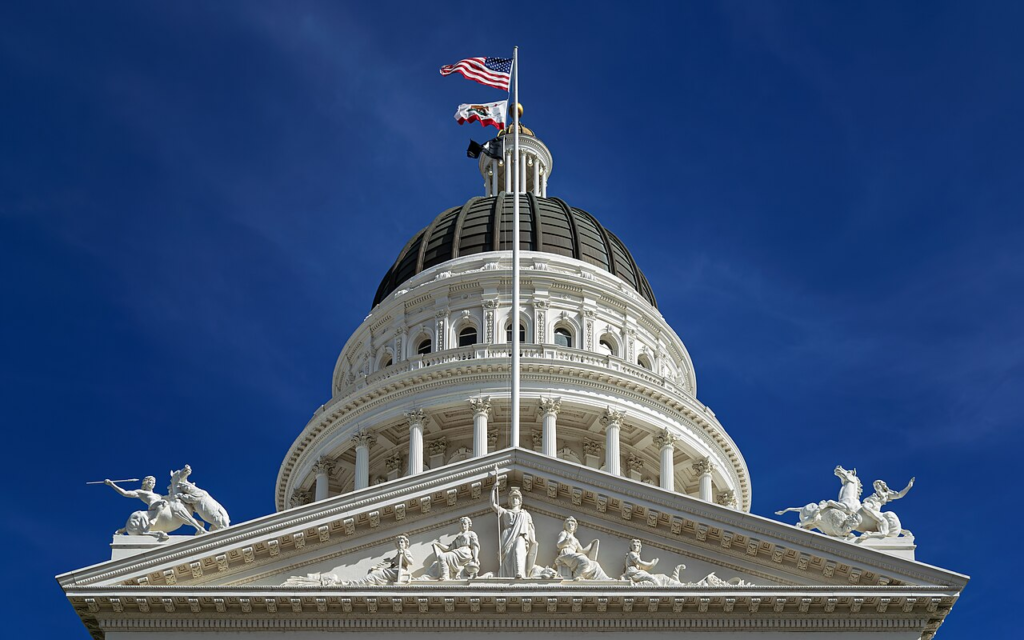
California Voters Reject Billionaire Tax Despite Backing Democrats
California voted blue across the board on November 3, then voted down the most ambitious progressive tax proposal the state has seen in decades. Proposition 40, a one-time 5 percent tax on the state’s billionaires, was rejected by 52.8 percent to 47.2 percent, and the Associated Press called the result on Monday, November 9.
The result is a puzzle with a clear answer. The same voters who sent Democrat Xavier Becerra to the governor’s office and helped Democrats take control of both chambers of Congress drew a line at taxing the rich. The blue wave stopped at the billionaires’ wallets.
What Proposition 40 would have done
The measure would have imposed a one-time 5 percent tax on the net worth of Californians worth more than 1 billion dollars, applying to anyone who lived in the state on January 1, 2026. Supporters said it would have raised about 100 billion dollars, most of it earmarked for Medi-Cal, the state’s Medicaid program, with education and food assistance programs also receiving funds.
It was sponsored by the healthcare workers’ union SEIU-United Healthcare Workers West and designed by French-American economists Gabriel Zucman and Emmanuel Saez, who had hoped the measure would start a wider debate about taxing extreme wealth. About 200 billionaires lived in the state and would have been covered.
Money and a divided Democratic Party
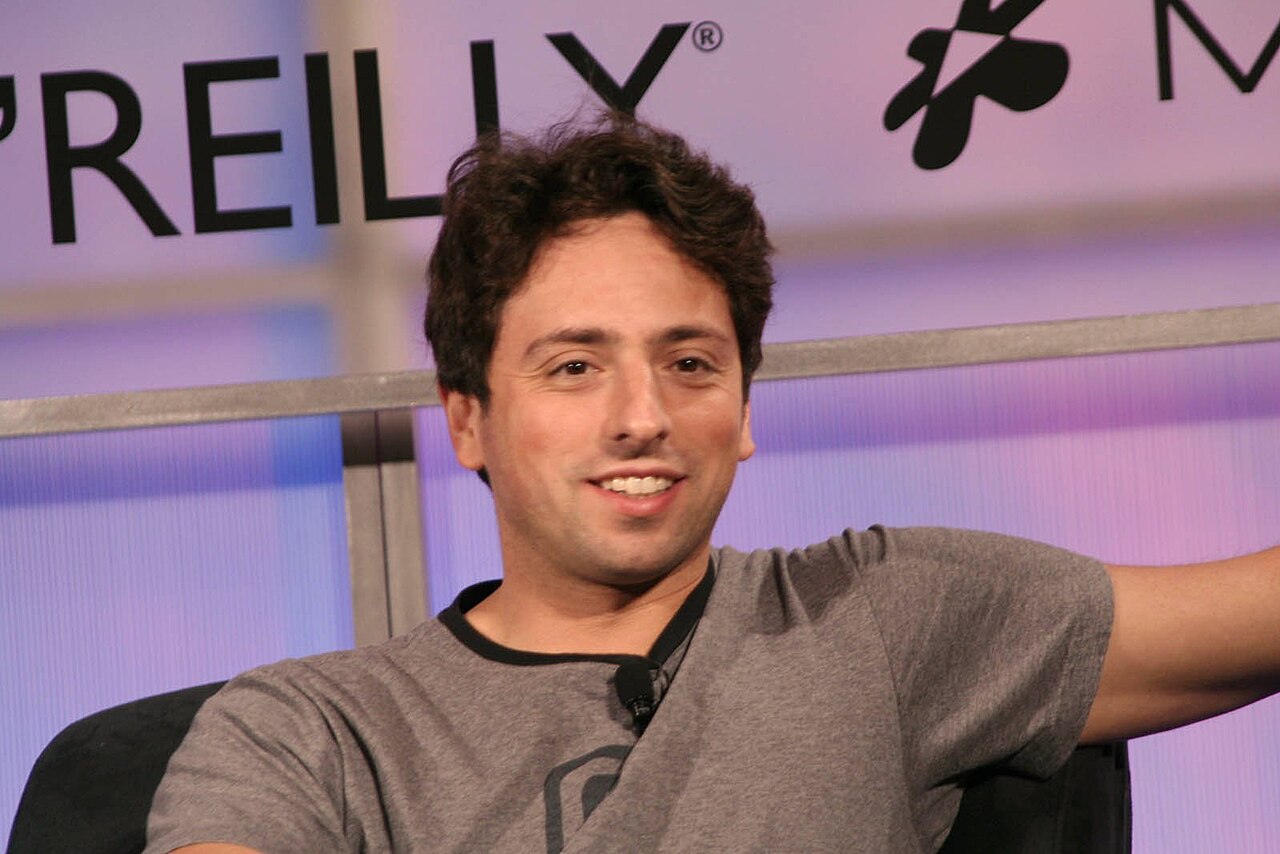
The campaign was the most expensive ballot fight in California history, and it was not close on money. Opponents spent about 378 million dollars, roughly ten times the 33.5 million raised by supporters. Google co-founder Sergey Brin alone put more than 100 million dollars into the effort to defeat it.
The opposition also had an unusual ally: the state’s own Democratic leadership. Outgoing Governor Gavin Newsom, a likely candidate for the 2028 Democratic presidential nomination, came out against the measure, as did Becerra, his successor. Their argument was that the tax would drive wealthy residents and their tax payments out of the state. Polling backed the worry: an October survey by UC Berkeley found 50 percent of likely voters opposed the measure, against 42 percent in favour.
Two companion measures were also on the ballot, designed to cancel the tax if it passed. Proposition 42, which would ban new state taxes on personal property, was leading by 51.6 percent to 48.4 percent on Monday evening, though the Associated Press had not yet called it.
A generational divide, and what comes next
The vote split along age and income lines. An AP voter poll found that most voters younger than 30 backed the measure, while roughly 7 in 10 voters aged 65 and older voted against it. About half of voters in households earning under 100,000 dollars a year supported it.
Supporters say they could put a similar measure back on the ballot in 2028, and the economists behind it have argued that the idea is now part of the national debate. But the scale of the defeat, and the fact that it came in the most Democratic large state in the country, will make that a harder sell. California’s voters did not reject the idea of taxing billionaires in the abstract. They rejected this tax, in this form, at this moment, and they did it while voting for the party that proposed it.
Sources: Al Jazeera (https://www.aljazeera.com/news/2026/11/10/california-voters-reject-billionaire-tax) and TechCrunch (https://techcrunch.com/2026/11/09/californias-proposed-billionaire-tax-fails-to-pass/)