
EU denounces settler assault on European diplomats in West Bank
The European Union has strongly condemned a recent attack by Israeli settlers on a convoy of European diplomats travelling through the occupied West Bank and has called for decisive steps to halt such violence. The 27‑nation bloc released its statement on Sunday, a day after masked settlers confronted a visiting delegation near the Palestinian village of Taybeh.
The incident has heightened diplomatic pressure on Israel as assaults on Palestinian farmers during the olive harvest increasingly endanger journalists and foreign observers accompanying them. Officials from France, Belgium and Poland, together with representatives of the Catholic Church, were in the predominantly Christian village east of Ramallah to express solidarity with local olive growers when they were confronted by masked men. The attackers threatened members of the group and shattered a window on a Belgian diplomatic vehicle.
Bernard Baudoux, the 78‑year‑old mayor of Aulnoye‑Aymeries in northern France, said he was kicked and beaten despite wearing a ceremonial sash that identified him as a French official. “I was thrown to the ground,” he told Reuters on Saturday.
The EU said it welcomed the condemnations issued by Israeli officials but insisted on “full accountability” and on measures to prevent further attacks on Palestinians and journalists. It also urged Israel to respect international law and to halt the expansion of settlements in the occupied territories.
French Foreign Minister Jean‑Noël Barrot called on Israel on Saturday to arrest those responsible and to protect civilians. Belgian officials reported that their personnel were unharmed, although their vehicle sustained damage. Poland’s Foreign Ministry posted on X that its diplomats were safe and that there was no indication they had been specifically targeted, and Warsaw demanded an explanation from Israel and action against the perpetrators.
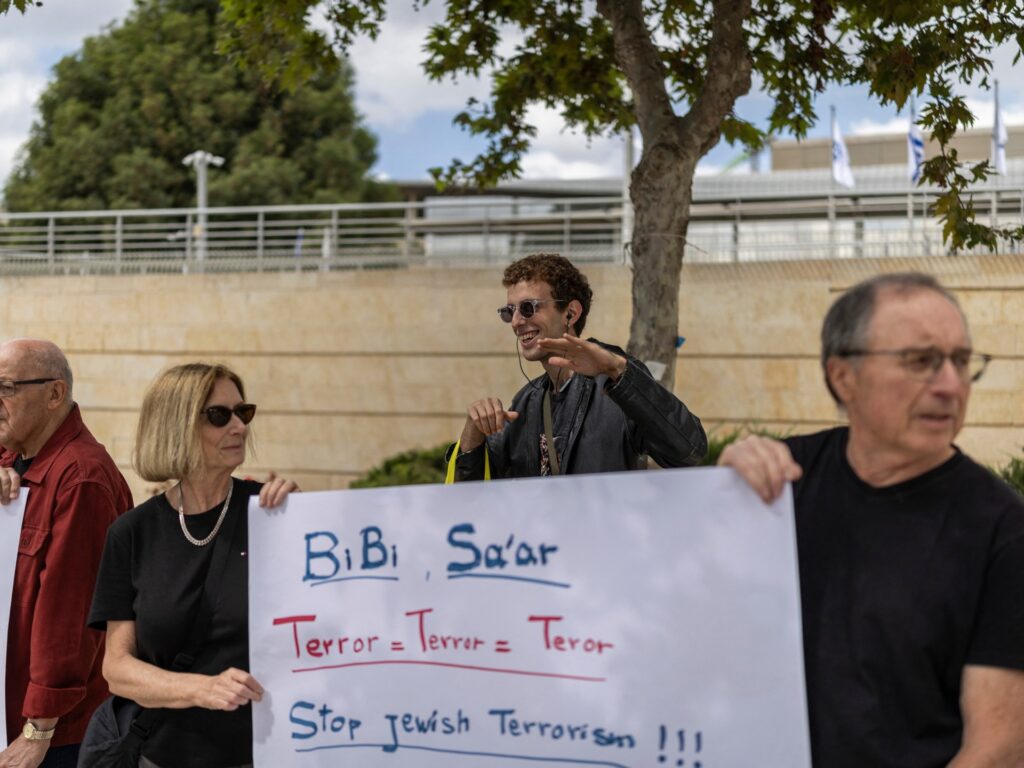
Israeli Foreign Minister Gideon Saar condemned the violence on Saturday, describing the attackers as rioters and announcing that police had opened an investigation. He also criticized the delegation for not coordinating its visit with the Israeli military, arguing that prior arrangements could have helped safeguard the visitors. Prime Minister Benjamin Netanyahu’s office called the attack on diplomats unacceptable but questioned whether the video circulating online provided enough evidence to determine exactly what happened.
The diplomatic episode followed a separate assault on Friday in the village of Abu Falah, near Ramallah. Masked settlers attacked Palestinians harvesting olives and severely injured U.S. photojournalist Heidi Levine, who was covering the farmers for The Washington Post. Levine said she was beaten for more than ten minutes despite wearing protective clothing that identified her as a journalist. She suffered broken ribs, required surgery on her hand, and had her camera, phone and passport stolen.
U.S. Secretary of State Marco Rubio, speaking to reporters in Maryland on Saturday, urged Israel to crack down on settler pogroms and warned that President Donald Trump did not want another crisis in the West Bank. In a statement on X, U.S. Ambassador to Israel Mike Huckabee described Levine’s assault as a “despicable act of terror” and called for prosecutions.
The attacks have disrupted an olive harvest that provides income for tens of thousands of Palestinian families. On Sunday, Israeli settlers felled 120 olive trees on Palestinian‑owned land in the village of Kisan, southeast of Bethlehem, according to the Palestinian news agency Wafa. Farmers have reported assaults, theft of crops, damage to trees and restrictions that prevent them from reaching their fields.
The United Nations humanitarian office said last week that nearly 200 settler attacks linked to this year’s harvest have caused casualties or property damage, already surpassing the 185 incidents recorded throughout the previous season.